Photo via Fast Company
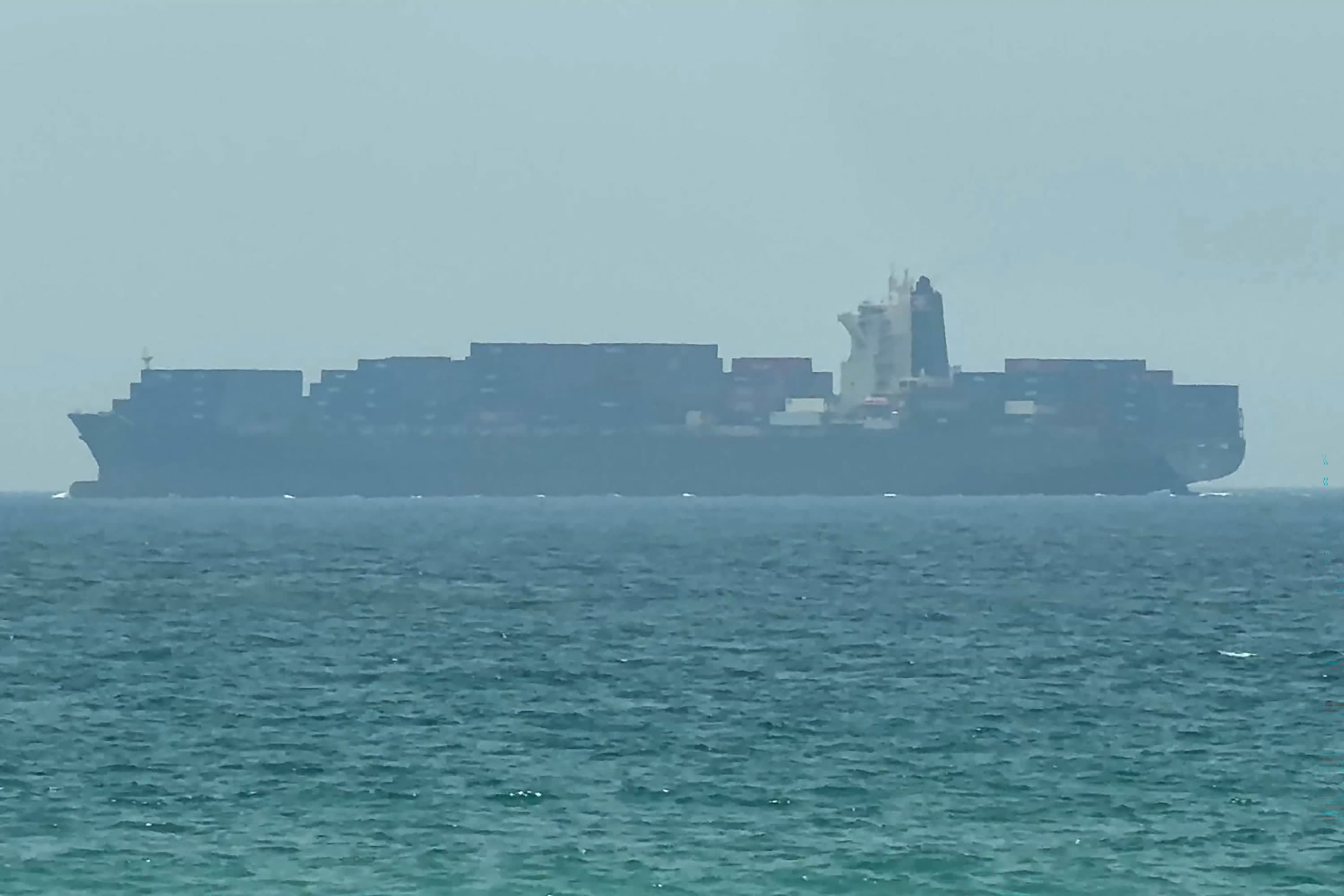
The Middle East conflict continues to reshape global energy markets, with crude oil prices hovering between $103 and $107 per barrel—a dramatic 50% increase from pre-conflict levels. According to reporting from the Associated Press, the disruption stems largely from the effective closure of the Strait of Hormuz, a critical chokepoint through which one-fifth of the world's oil and natural gas typically flows during peacetime. For U.S. businesses dependent on stable energy costs, the sustained price elevation represents an ongoing headwind to operations and margins.
In response to supply chain disruptions, the Trump administration extended the Jones Act waiver for another 90 days, allowing non-American vessels to transport oil and natural gas to U.S. ports more efficiently. The White House indicated that preliminary data from the initial 60-day waiver showed measurably faster supply deliveries, suggesting the measure has provided some relief to domestic energy markets. This regulatory flexibility underscores the severity of current supply constraints and the administration's focus on maintaining energy price stability.
Diplomatic efforts to resolve underlying tensions remain uncertain. According to the AP, Iran's Foreign Minister traveled to Pakistan to pursue ceasefire negotiations with the United States, though the White House has not confirmed whether American officials will participate in resumed talks. Pakistan has been instrumental in attempting to reinject momentum into negotiations, having secured an indefinite ceasefire extension from the Trump administration—yet military posturing continues, with the U.S. maintaining a significant naval presence and Iran controlling Strait traffic.
The spillover effects extend beyond oil markets. Disruptions through the Strait of Hormuz have reverberated through global maritime trade flows, including shipping patterns through the Panama Canal. Nashville-area manufacturers, retailers, and logistics providers relying on just-in-time supply chains should monitor ongoing diplomatic developments and energy prices, as prolonged regional instability could further strain imported goods costs and transportation timelines.