Photo via Fortune
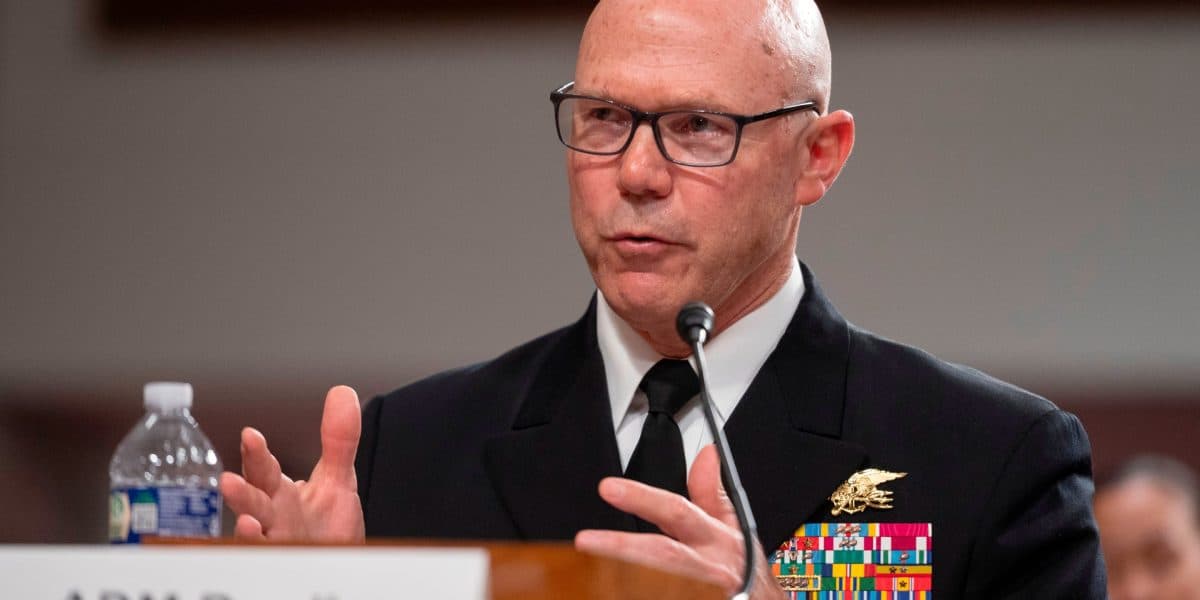
Military leaders are grappling with fundamental questions about artificial intelligence's role in defense operations, even as the Pentagon accelerates AI adoption across the armed forces. According to Fortune, special operations commanders are weighing the potential benefits of AI-assisted target identification against critical safety concerns that require human judgment at crucial decision points.
The tension reflects a broader debate within Department of Defense leadership about balancing technological innovation with operational accountability. Defense Secretary Pete Hegseth is championing rapid AI integration to modernize military capabilities, yet field commanders emphasize that algorithms cannot replace human responsibility when lives and precision are at stake.
For Nashville-area defense contractors and technology firms supporting military operations, these discussions signal evolving procurement standards and compliance requirements. Companies developing AI systems for defense applications will need to demonstrate robust safeguards that satisfy both Pentagon modernization goals and field commanders' operational concerns.
The emphasis on human oversight represents a pragmatic middle ground: leveraging AI's analytical power for target assessment while maintaining human control over the final decision to engage. This framework could shape defense technology contracts and partnerships for years to come, particularly for firms in the Southeast supporting military modernization initiatives.