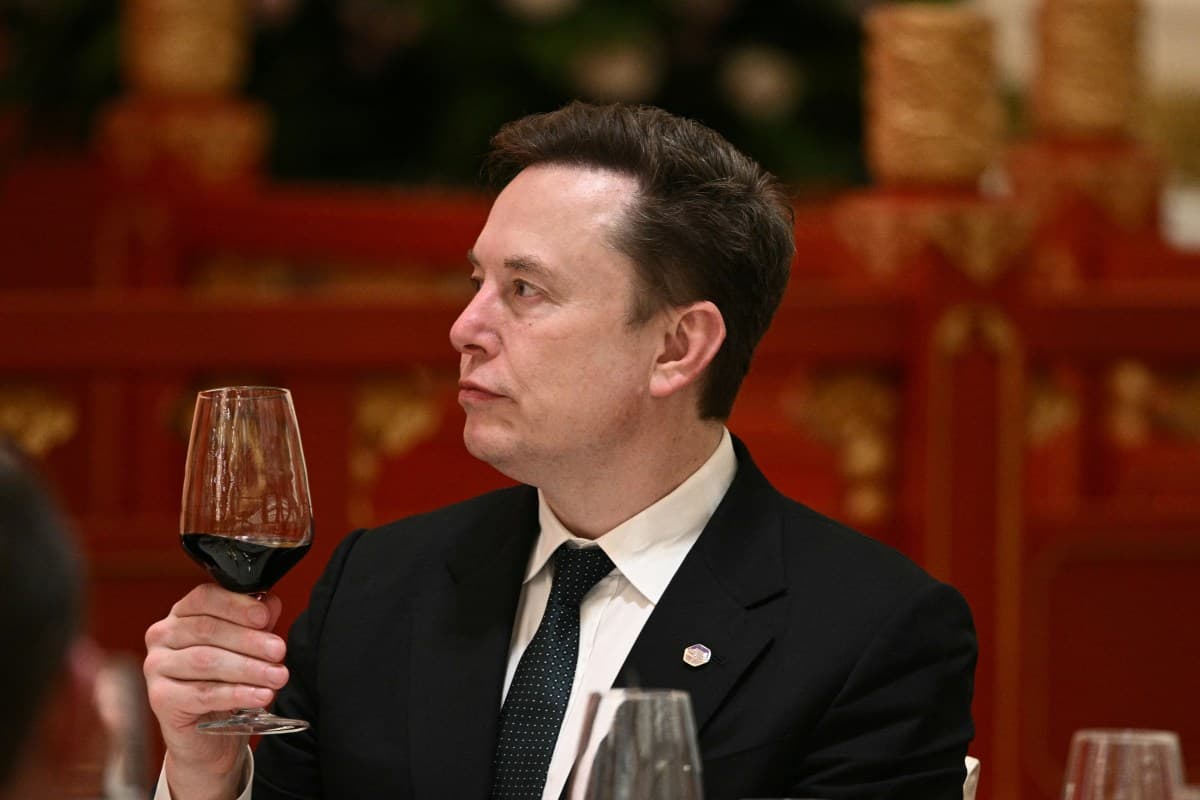
Photo via TechCrunch
According to TechCrunch reporting, Elon Musk's artificial intelligence venture xAI has made a significant strategic pivot toward natural gas infrastructure rather than renewable solar power. This shift represents a notable departure from earlier pronouncements about building a comprehensive solar-electric economy. The decision reflects broader industry trends where technology companies are reconsidering their energy strategies in light of growing computational demands.
The trend extends beyond xAI's operations. SpaceX, another Musk-led company, is reportedly exploring orbital data centers as a solution to power-intensive computing challenges. These developments suggest that terrestrial solar solutions may not meet the scalability requirements of next-generation artificial intelligence and space technology ventures—a reality that could reshape energy planning across the tech sector.
For Nashville-area businesses and investors tracking energy trends, this pivot carries significance. The shift away from distributed solar toward centralized power sources and natural gas infrastructure indicates changing capital deployment patterns in the clean energy space. Local companies dependent on solar momentum or invested in renewable energy portfolios should monitor how this technological realignment affects market dynamics and investment priorities.
The broader implications extend to how technology companies approach sustainability commitments. While solar and renewables remain important long-term strategies, the industry's growing recognition of power demands suggests a more pragmatic, hybrid energy approach may dominate. This evolution could influence energy policy discussions and corporate planning in Nashville's growing tech sector for years to come.