Photo via Fast Company
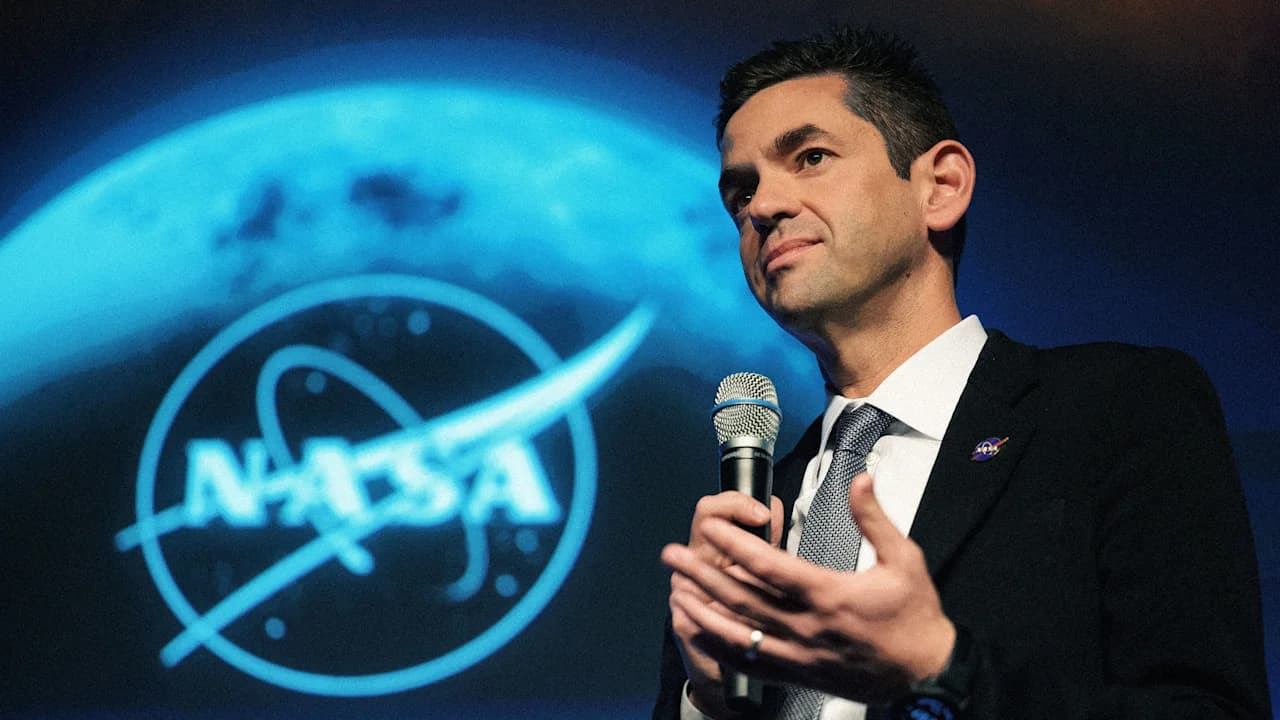
The successful Artemis II mission marks only the beginning of America's renewed lunar ambitions, according to NASA Administrator Jared Isaacman. Speaking in a recent interview, Isaacman emphasized that the 10-day voyage beyond Earth orbit was merely the opening chapter in a comprehensive strategy to establish a permanent human presence on the moon. Unlike the 1960s space race measured in years, today's competition with China unfolds in months, demanding rapid execution and sustained focus on strategic objectives.
Isaacman highlighted the critical importance of the moon's South Pole region—an area roughly the size of Washington, D.C.—where water ice deposits can support in-situ resource manufacturing and propellant production. This technological capability, he explained, is essential for mastering the skills required for eventual Mars exploration. The concentration of international interest in this specific region underscores the strategic nature of lunar development and the competitive pressure driving accelerated timelines across the aerospace industry.
Nuclear power and propulsion technology emerge as central to maintaining American leadership in space exploration, Isaacman noted. He characterized nuclear systems as efficient mass-transport solutions—comparing them to train locomotives rather than aircraft—capable of powering both lunar bases and deep-space missions. The reactor designs developed for moon operations will translate directly to Mars surface power systems, making this investment foundational for long-term exploration goals.
Isaacman's testimony reflects broader concerns about resource allocation and strategic focus within NASA. He stressed that maintaining the status quo while facing a capable geopolitical competitor in space would result in American disadvantage. The administrator's dual role—navigating both technical challenges and Congressional budget discussions—illustrates the business and policy dimensions of space exploration, where mission success depends equally on innovation and sustained political commitment to sustained funding.