Photo via WPLN Nashville NPR
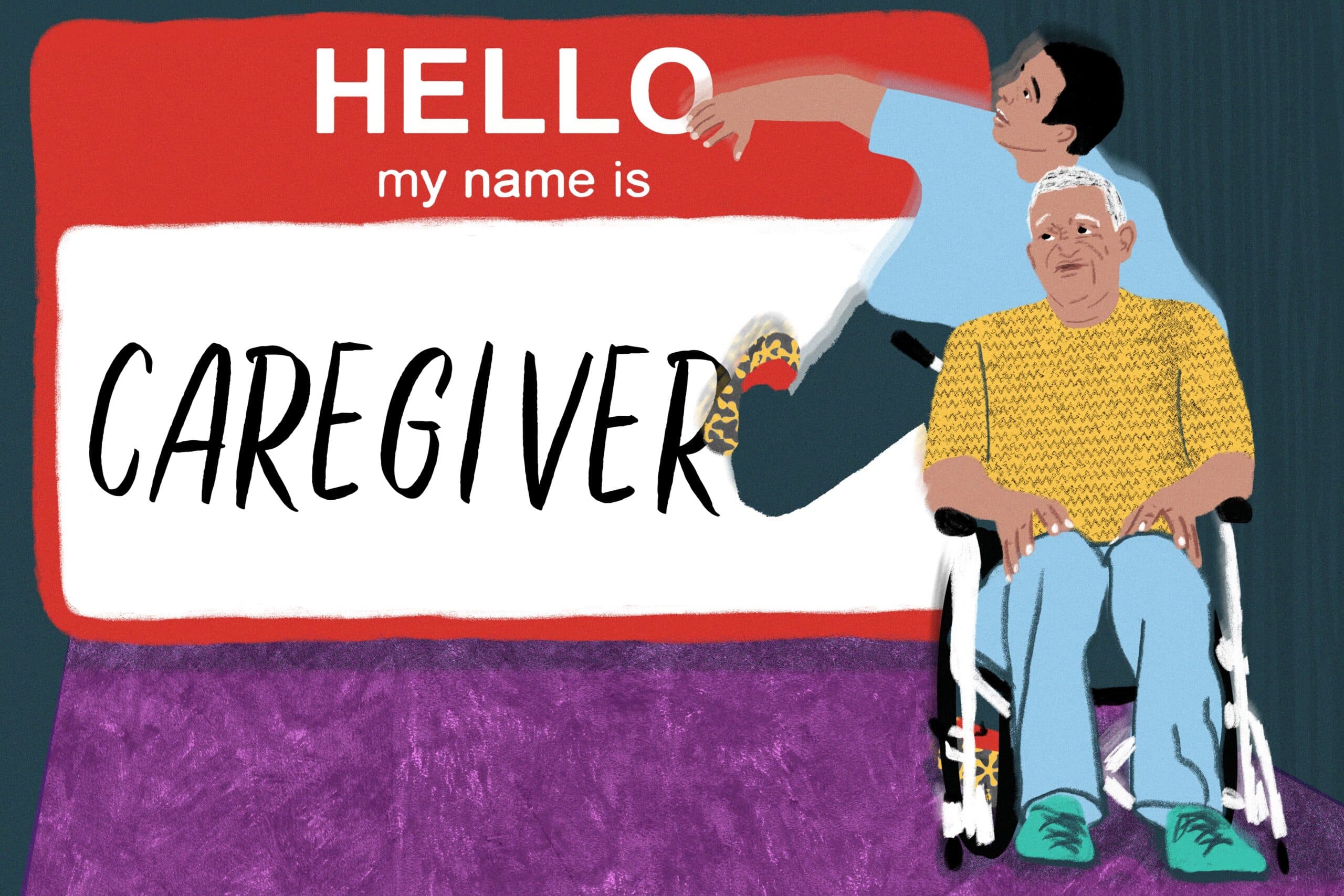
The role of family caregiver often creeps up gradually, beginning long before formal medical decisions or living arrangements change hands. According to WPLN's HealthQ reporting, many professionals don't recognize themselves as caregivers until they're already managing appointments, finances, and daily logistics for aging relatives—all while maintaining full-time employment. For Nashville-area businesses, this reality carries significant implications: employee productivity, absenteeism, and retention are increasingly tied to caregiving responsibilities that extend well beyond the office.
Recognition of caregiving status matters deeply for both individuals and employers. When workers acknowledge they're caregivers, they can better access support systems, flexible arrangements, and resources that ease the burden. Nashville companies in healthcare, professional services, and corporate sectors are beginning to understand that supporting employee caregivers—through flexible schedules, dependent care benefits, and mental health resources—directly impacts workforce stability and morale.
The caregiving season, while difficult, can be navigated more successfully when employers and workers openly address it. Regional human resources leaders and business owners who prioritize caregiver support programs position their organizations to retain experienced talent during vulnerable life stages. As Middle Tennessee's population ages, this workplace challenge will only intensify, making proactive policies not just compassionate but strategically essential.