Photo via Spokesman
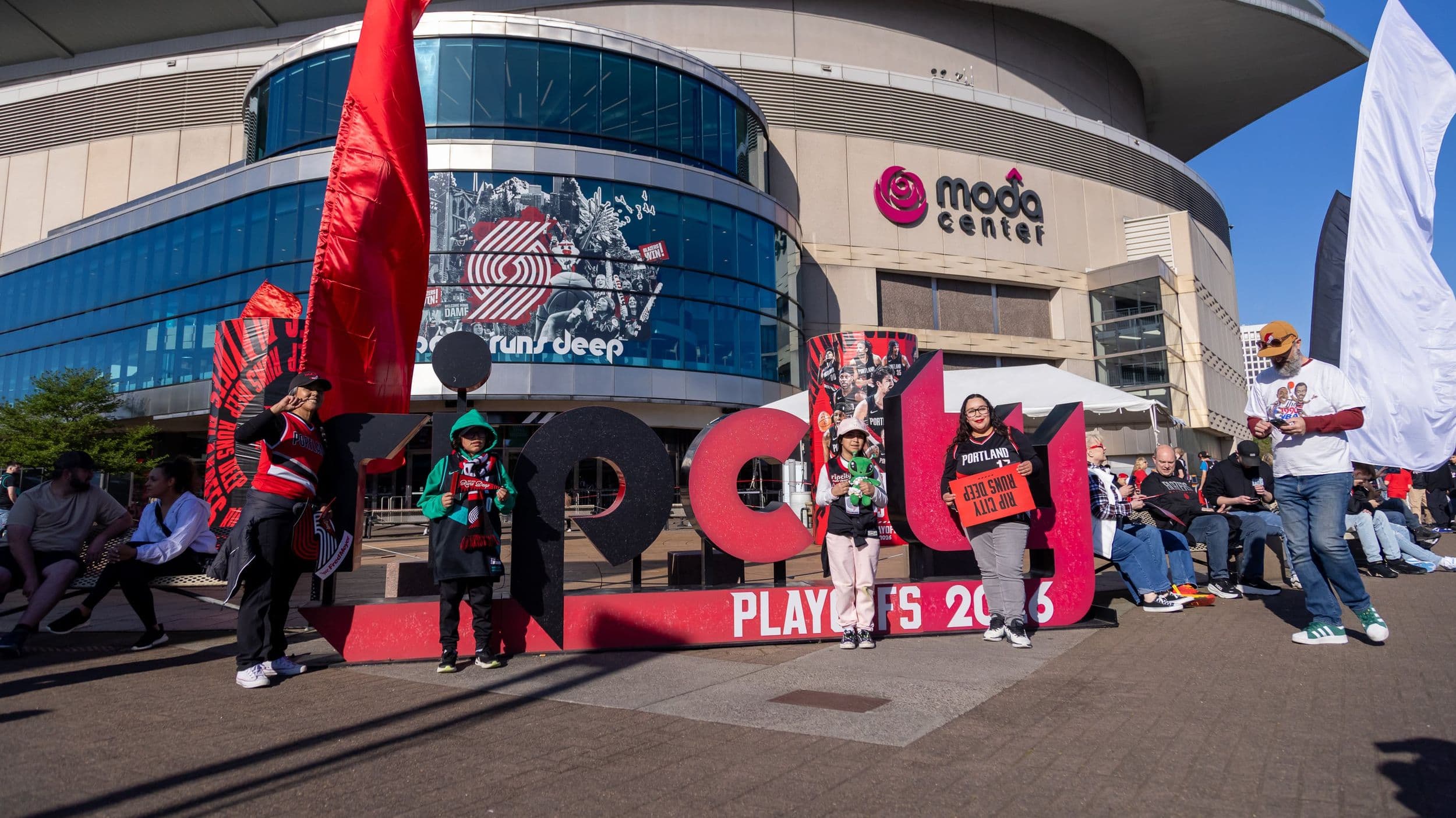
The Portland Trail Blazers organization and city officials have reached an impasse over renovations to the Moda Center, creating uncertainty about the franchise's long-term future in Oregon. According to reporting on the dispute, deteriorating relations between stakeholders have fueled concerns among fans that the team could relocate to greener pastures. The breakdown in negotiations underscores how critical modern arena infrastructure has become to retaining professional sports tenants in competitive markets.
For Nashville business leaders, the Trail Blazers situation offers a cautionary tale about the importance of proactive sports facility management and public-private partnerships. Cities that have successfully attracted or retained major sports franchises—including recent expansions and relocations—typically demonstrated early commitment to venue modernization and flexible negotiation frameworks. Nashville's existing sports infrastructure and business climate position the region competitively should opportunities arise to pursue major league teams.
The broader lesson for Southeast markets is that arena negotiations require balancing municipal fiscal responsibility with franchise expectations. Cities that treat sports venue development as part of a larger economic development strategy, rather than isolated infrastructure projects, tend to negotiate more effectively. As professional sports continue reshaping regional identity and attracting investment, Nashville-area stakeholders should monitor how relocation threats reshape league dynamics and competitive positioning among mid-sized metropolitan areas.