Photo via WPLN Nashville NPR
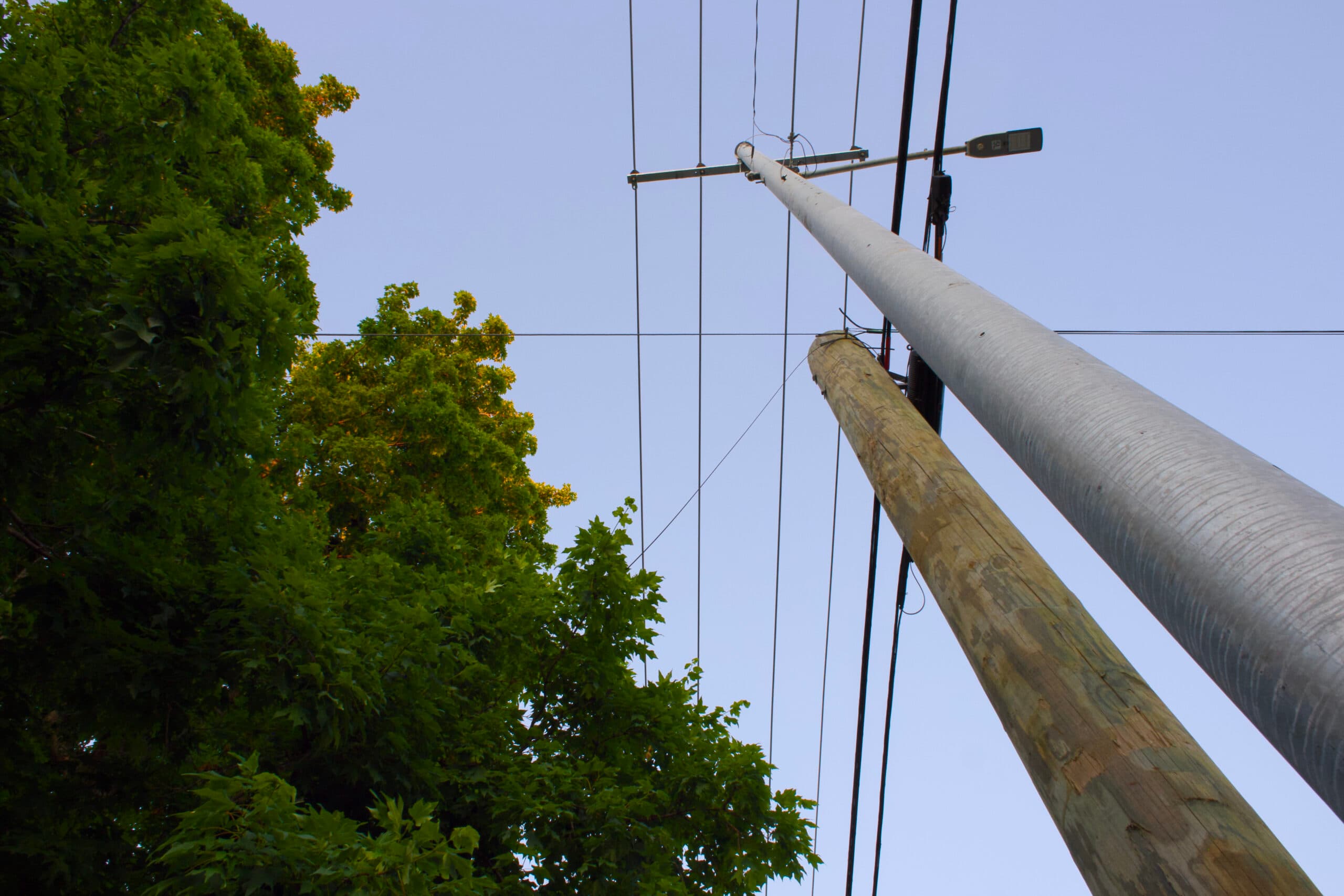
Nashville Electric Service has implemented an aggressive new tree management strategy in response to the widespread power failures that crippled the city during January's severe ice storm. The utility company has expanded its vegetation clearance buffer from 10 to 15 feet around power lines and infrastructure—a 50% increase designed to minimize the risk of future outages caused by falling branches and trees.
The January ice storm exposed critical vulnerabilities in Nashville's electrical infrastructure, leaving approximately half of the city without power during peak winter demand. According to reporting from WPLN Nashville NPR, the outages highlighted how vegetation management directly impacts grid reliability. NES leadership determined that a more aggressive trimming policy was necessary to prevent similar cascading failures during severe weather events.
While NES frames the expanded clearance zone as essential infrastructure protection, the policy has sparked concern among Nashville residents and environmental advocates who worry about the cumulative impact of increased tree removal on the city's urban forest canopy. The debate reflects a broader tension between grid modernization and environmental preservation—a challenge many cities face as they adapt infrastructure to climate volatility.
For Nashville businesses and property owners, the new NES policy may result in increased trimming activity on their properties and higher utility reliability. Companies dependent on uninterrupted power—including healthcare facilities, data centers, and manufacturing operations—may benefit from reduced outage risk, though the long-term environmental and aesthetic costs of expanded tree removal remain a point of public discussion.