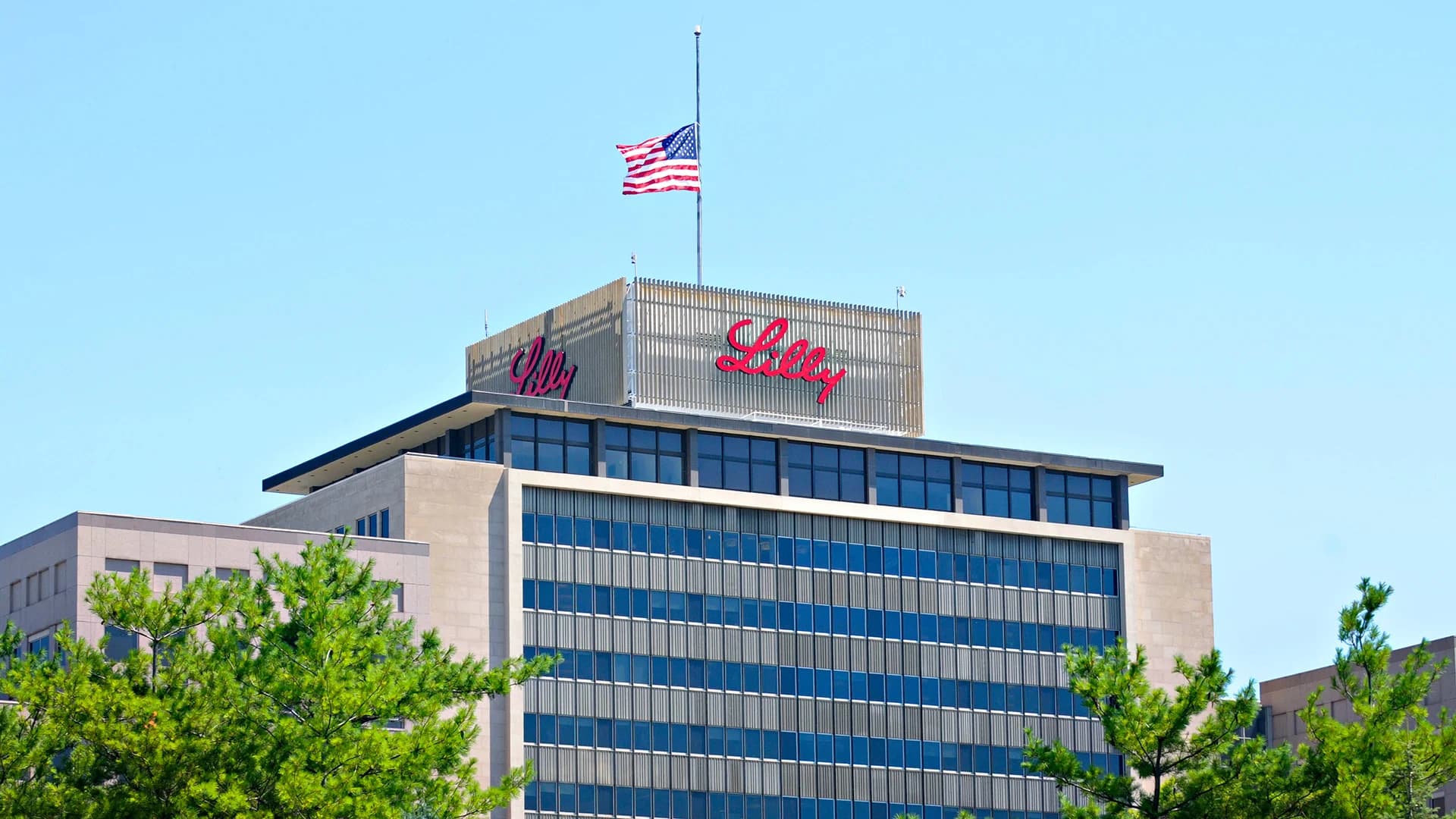
Photo via Inc.
Eli Lilly's experimental drug retatrutide has demonstrated clinical trial results that outpace currently available GLP-1 medications, with some participants achieving body weight reductions of up to 28 percent. This development marks a significant milestone in the rapidly evolving weight-loss pharmaceutical sector and could reshape treatment options available to healthcare systems and patients throughout the Southeast.
The drug's superior performance compared to existing options like semaglutide and tirzepatide reflects intensifying competition among major pharmaceutical manufacturers to capture the lucrative obesity treatment market. According to reporting from Inc., these results position Eli Lilly as a formidable competitor in a space that has attracted substantial investment and clinical attention over the past two years.
For Nashville-area healthcare providers, insurers, and employers managing employee wellness programs, these developments warrant attention regarding formulary decisions, treatment protocols, and coverage policies. As new weight-loss medications advance through regulatory approval, regional health systems will need to evaluate clinical efficacy, cost-effectiveness, and patient access implications.
The expansion of pharmaceutical options in metabolic health treatment reflects broader industry trends toward precision medicine and chronic disease management. As retatrutide moves toward potential FDA approval, Nashville business leaders in healthcare administration should monitor regulatory timelines and market positioning, as these innovations will likely influence insurance costs, pharmaceutical purchasing, and employee health benefit strategies across the region.