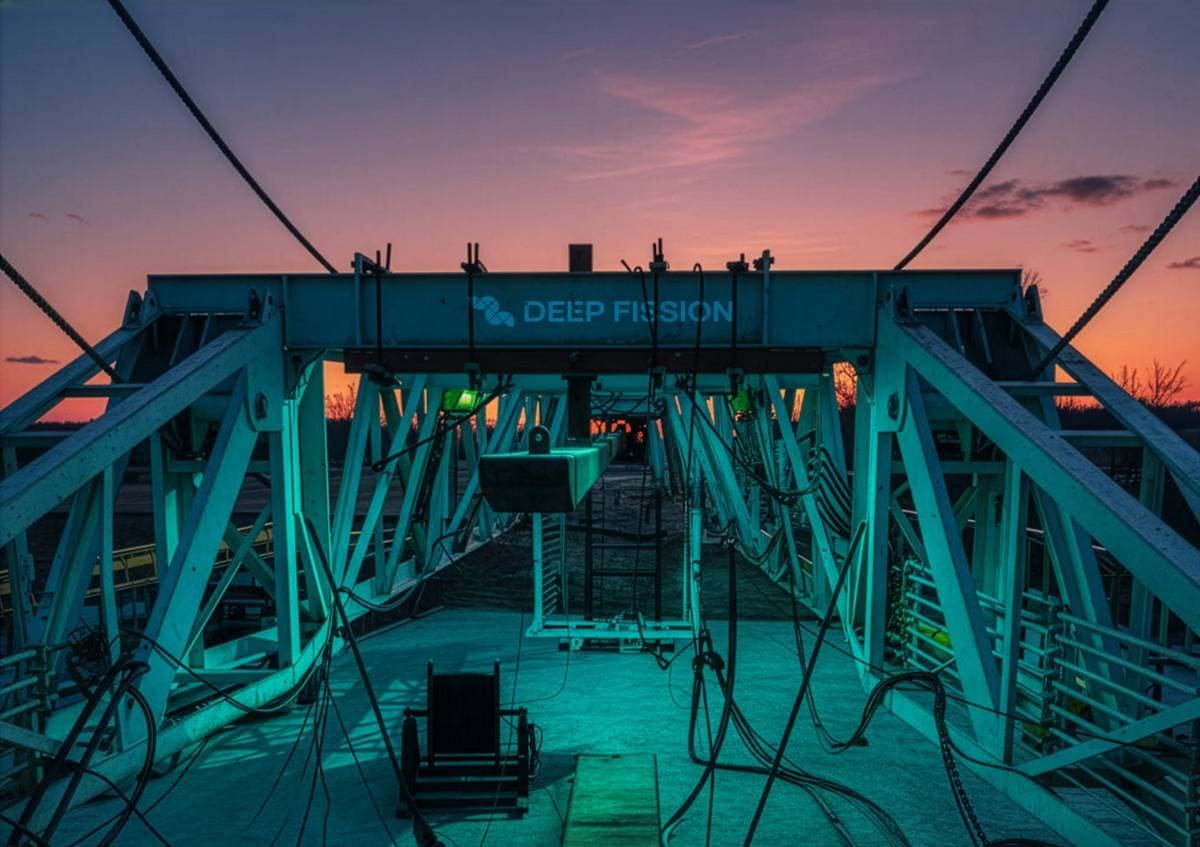
Photo via TechCrunch
Nuclear energy continues to attract startup investment as companies seek alternative power solutions, but Deep Fission's latest public offering announcement has drawn scrutiny from the investment community. According to TechCrunch, the advanced nuclear company is targeting a $157 million IPO, marking its second attempt at accessing public capital markets. The move reflects growing interest in next-generation nuclear technology, particularly small modular reactors that could support industrial and data center operations.
Deep Fission's business model centers on developing compact nuclear reactors designed for commercial applications beyond traditional utility-scale power generation. For Nashville-area businesses—particularly those in data centers, manufacturing, and technology sectors—small modular reactors could represent a significant energy solution. However, analysts question whether the company's technology timeline and commercialization strategy justify the valuation and capital raise.
Investor concerns center on several factors: the regulatory pathway for new nuclear technology, competition from established energy providers, and the company's ability to reach profitability. Deep Fission must demonstrate not only technical feasibility but also economic viability in a market where renewable energy costs continue to decline. The startup's previous capital-raising efforts and timeline adjustments have added to scrutiny around management's execution capabilities.
For Nashville's business community, the broader implications matter more than Deep Fission's individual prospects. The nuclear energy sector's development could reshape regional energy economics and industrial competitiveness. As companies evaluate long-term power solutions, monitoring advanced nuclear startups' progress—and their ability to deliver on promises—becomes essential for strategic planning and site selection decisions.