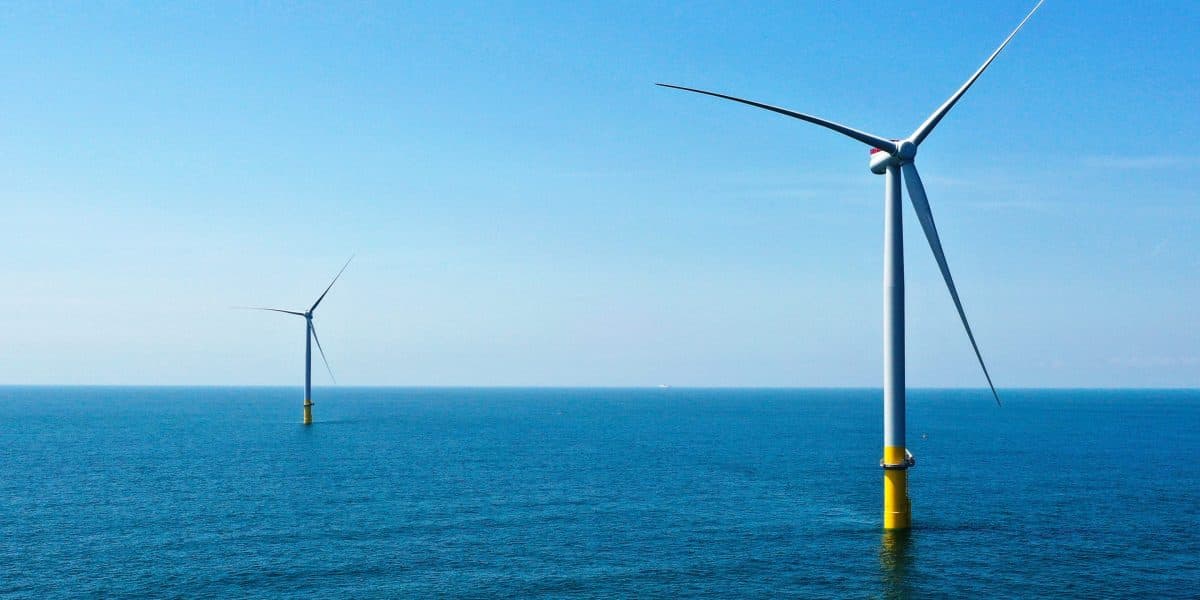
Photo via Fortune
Offshore wind development has become an unexpected political flashpoint in coastal Virginia, where redistricting changes are intensifying the stakes for Republican lawmakers. According to Fortune, federal court rulings have cleared the way for Virginia's offshore wind project and four others to move forward, despite significant political opposition at the national level. The outcome signals how energy policy decisions made in Washington can ripple through state-level politics and business climates.
The controversy reflects a broader tension within Republican ranks over renewable energy investments. While some coastal Virginia Republicans recognize the economic opportunities that wind projects can bring—including jobs and infrastructure development—national political figures have expressed skepticism about offshore wind development. This disconnect between local economic interests and national party politics creates uncertainty for businesses in affected regions trying to plan long-term energy strategies.
For Southeast business leaders, including those in Nashville, the Virginia situation offers important context about how energy policy debates unfold at federal and state levels. As renewable energy becomes increasingly central to regional economic development conversations, understanding the political dynamics around wind, solar, and other technologies will be crucial for companies evaluating long-term operations and investment decisions in their communities.
The federal court's decision to move these projects forward suggests that legal and regulatory frameworks may ultimately shield renewable energy investments from short-term political volatility. However, the ongoing political debate underscores the importance for regional business communities to stay engaged with energy policy discussions and build diverse coalitions that support economic development opportunities, regardless of the technology involved.