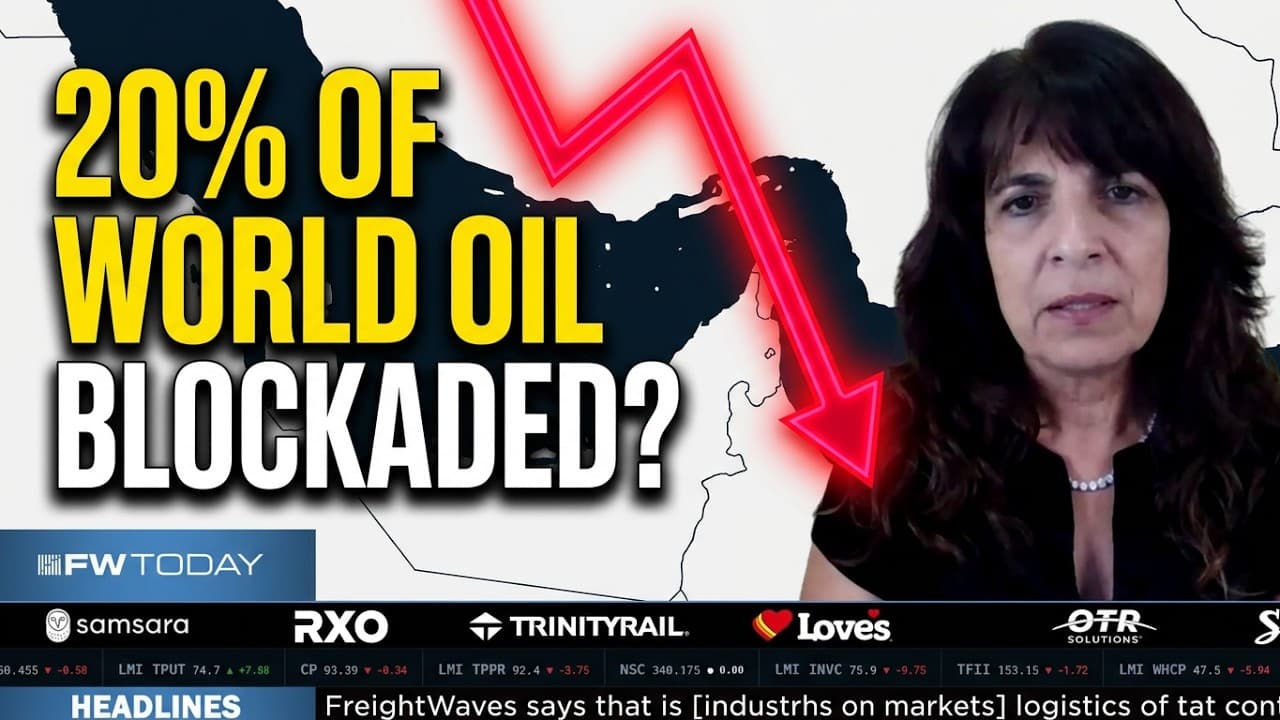
According to energy analysts, the global oil market has become increasingly exposed to geopolitical risk as traditional shock absorbers have weakened considerably. Strategic petroleum reserves and other market stabilization mechanisms that previously cushioned major supply disruptions are now at reduced levels, leaving the sector vulnerable to fresh escalation in the Middle East region. What was once viewed as a manageable risk scenario now poses a more serious threat to crude supplies and market stability.
Market participants had grown complacent in recent weeks, betting that diplomatic channels would remain open and keep critical shipping routes operating normally. That confidence was tested last week as renewed regional tensions threatened to restrict the Strait of Hormuz—one of the world's most crucial oil chokepoints—once again disrupting the steady recovery many had anticipated through the third quarter. The abrupt shift has forced traders and analysts to reassess their assumptions about geopolitical risk premia and the adequacy of current market protections.
With fewer buffers available to absorb supply shocks, the oil market now faces the prospect of heightened price volatility should escalation continue. Energy industry observers are monitoring developments closely, recognizing that the erosion of previous stabilization mechanisms means even moderate supply disruptions could translate into sharper price movements than markets have experienced in recent years.