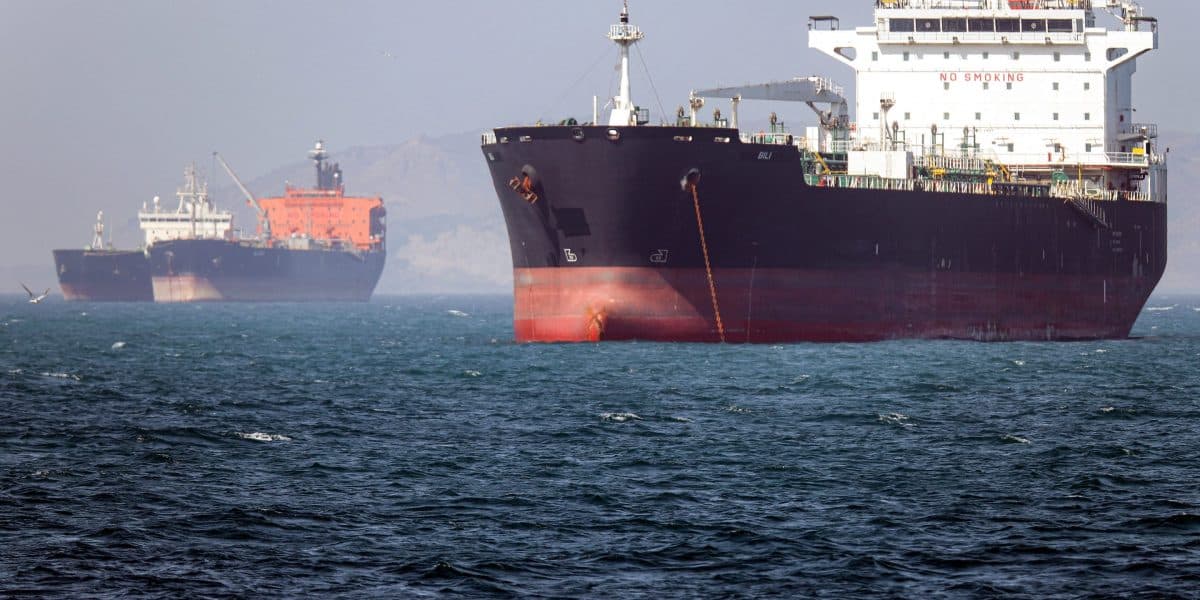
Photo via Fortune
Global oil markets experienced a notable decline this week as reports emerged of progress toward a potential agreement with Iran, according to Fortune. The Brent crude benchmark dropped as much as 5.2% to $98.12 per barrel, while West Texas Intermediate crude traded near $92 per barrel. The sell-off reflects investor optimism that renewed negotiations could stabilize one of the world's most critical energy chokepoints.
The Strait of Hormuz, through which approximately one-third of global seaborne petroleum passes daily, has been a source of geopolitical tension and price volatility for years. Any agreement that increases the likelihood of normalized shipping through this waterway would ease supply concerns and reduce the risk premium currently built into crude prices. Market analysts view the diplomatic signals as a potential turning point for energy stability in the coming months.
For Nashville-area businesses, particularly those in logistics, transportation, and energy-dependent sectors, lower crude prices could translate to reduced operational costs. Companies reliant on fuel surcharges and energy expenses may see some relief, though the broader impact depends on how quickly prices stabilize and whether additional geopolitical surprises emerge in the Middle East.
Energy sector investors and business leaders in the Southeast should monitor ongoing negotiations closely, as any shift in diplomatic momentum could reverse recent price declines. The volatility underscores the importance of diversified energy strategies and hedging approaches for companies with significant fuel or transportation expenses in their operational budgets.