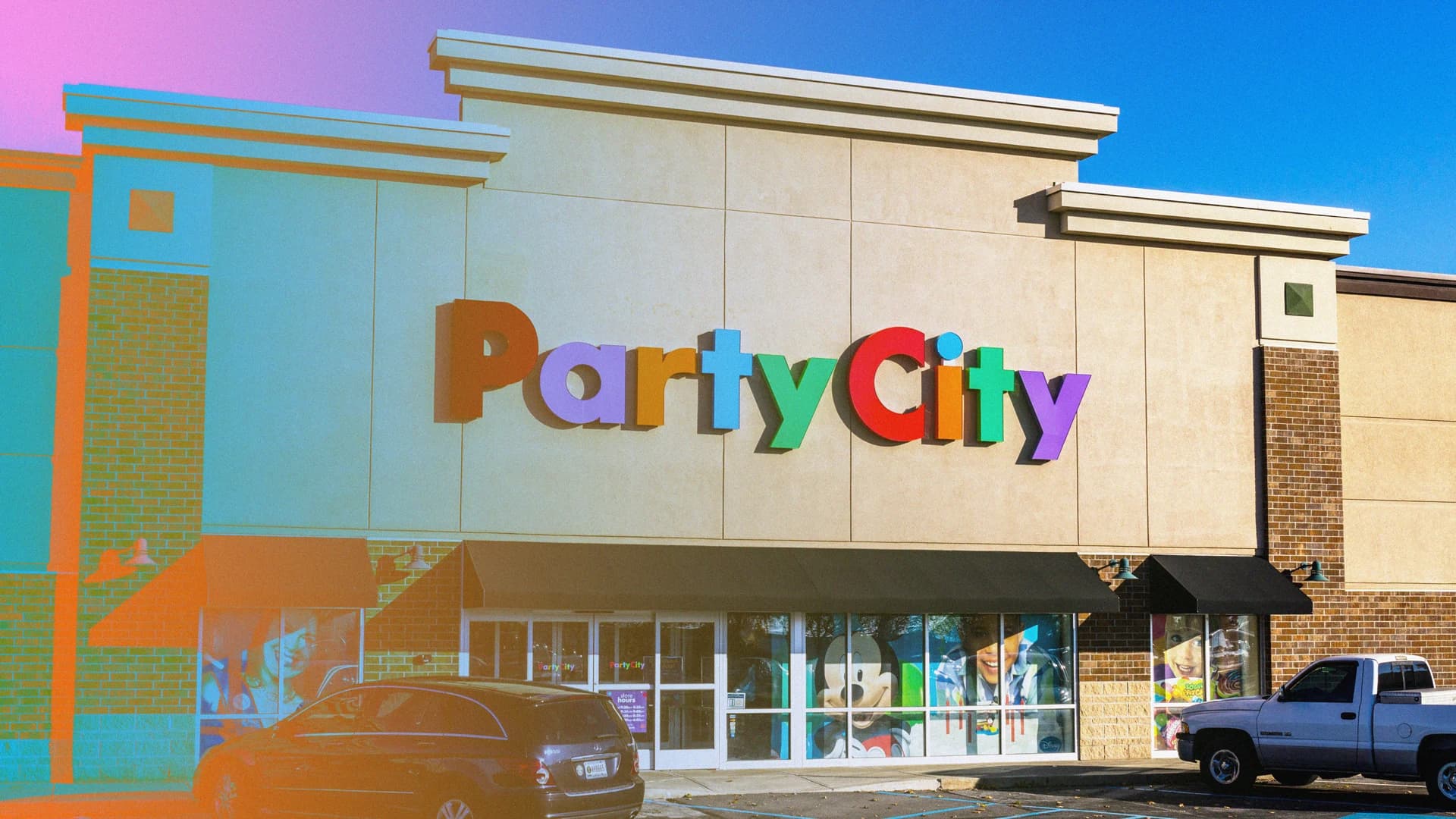
Photo via Inc.
Party City's journey through two Chapter 11 bankruptcies before its complete store closure in 2024 represents a cautionary tale for brick-and-mortar retailers navigating an increasingly challenging marketplace. The company's decision to shut down all physical locations marked what many industry observers considered the end of the road for the once-ubiquitous party supply chain. However, the brand's unexpected return demonstrates that even heavily damaged retailers can find pathways to revival in today's economy.
According to Inc., Party City is making its comeback in a format that diverges sharply from its traditional store-based model. The retailer's pivot reflects a broader trend among struggling chains to embrace digital-first and alternative distribution strategies rather than rely on conventional retail footprints. This transformation mirrors challenges facing Nashville-area retailers, many of whom have had to rethink their operational models to remain competitive in an e-commerce dominated landscape.
For Nashville business leaders, the Party City case study offers valuable lessons about adaptability and consumer behavior shifts. The region's retail sector has experienced its own upheaval, with local merchants increasingly experimenting with hybrid models that combine online ordering, fulfillment centers, and pop-up experiences. Party City's resurgence suggests that brand loyalty and niche market positioning can still drive success, even when traditional retail infrastructure fails.
As Party City establishes its new operational framework, industry observers will be watching closely to determine whether this model proves sustainable long-term. For Nashville's retail community, the company's comeback underscores the importance of innovation and flexibility—qualities that may ultimately determine which retailers thrive in the post-pandemic marketplace and which face similar fates to the store closures that became commonplace in 2024.