Photo via Zerohedge
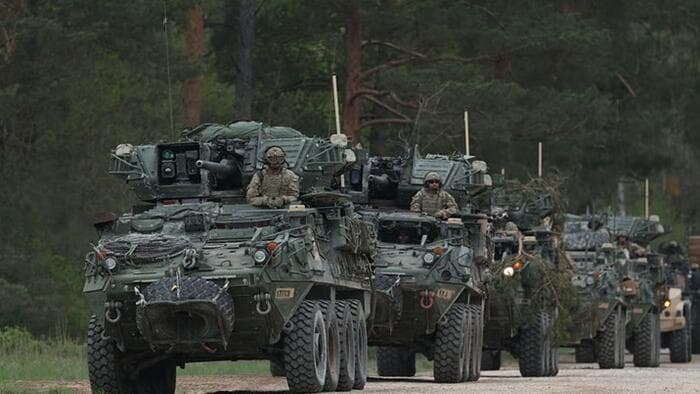
The U.S. Army has abruptly canceled a planned deployment of the 2nd Armored Brigade Combat Team, 1st Cavalry Division to Poland, marking a significant pivot in American military strategy for Europe. According to reporting from NBC and Politico, the decision surprised Pentagon leadership, with some troops learning of the cancelation through informal channels rather than official command announcements. The move comes as part of a broader review of U.S. military presence on the continent and signals the Trump administration's reassessment of defense commitments abroad.
What made this reversal particularly striking is that military personnel and equipment had already begun arriving in Poland when the decision was communicated. European and American officials spent the following 24 hours in emergency consultations trying to understand the implications and anticipate further policy shifts. The sudden nature of the announcement—conducted without formal military command procedures—raised concerns among allied nations about the reliability of U.S. security commitments and the potential strategic consequences of reduced deterrent presence in Eastern Europe.
Military analysts have expressed concern about the deterrence implications of the pullback. According to reports, former U.S. Army leadership emphasized that American forces in Europe serve a critical function in countering Russian aggression and reassuring NATO allies. The decision comes amid broader Trump administration plans to reduce U.S. troop presence in Germany by approximately 5,000 personnel, though Pentagon officials indicate that drawdown will occur over six months to a year.
For Nashville-area defense contractors and logistics firms with ties to military supply chains, the policy shift could affect demand for equipment, transportation services, and support operations tied to European deployments. The unpredictable nature of these strategic reversals may also prompt defense industry leaders to reassess long-term planning and contract structures that depend on sustained overseas military presence. As the administration continues its European presence review, businesses with defense-related revenue streams should monitor further announcements carefully.