Photo via Inc.
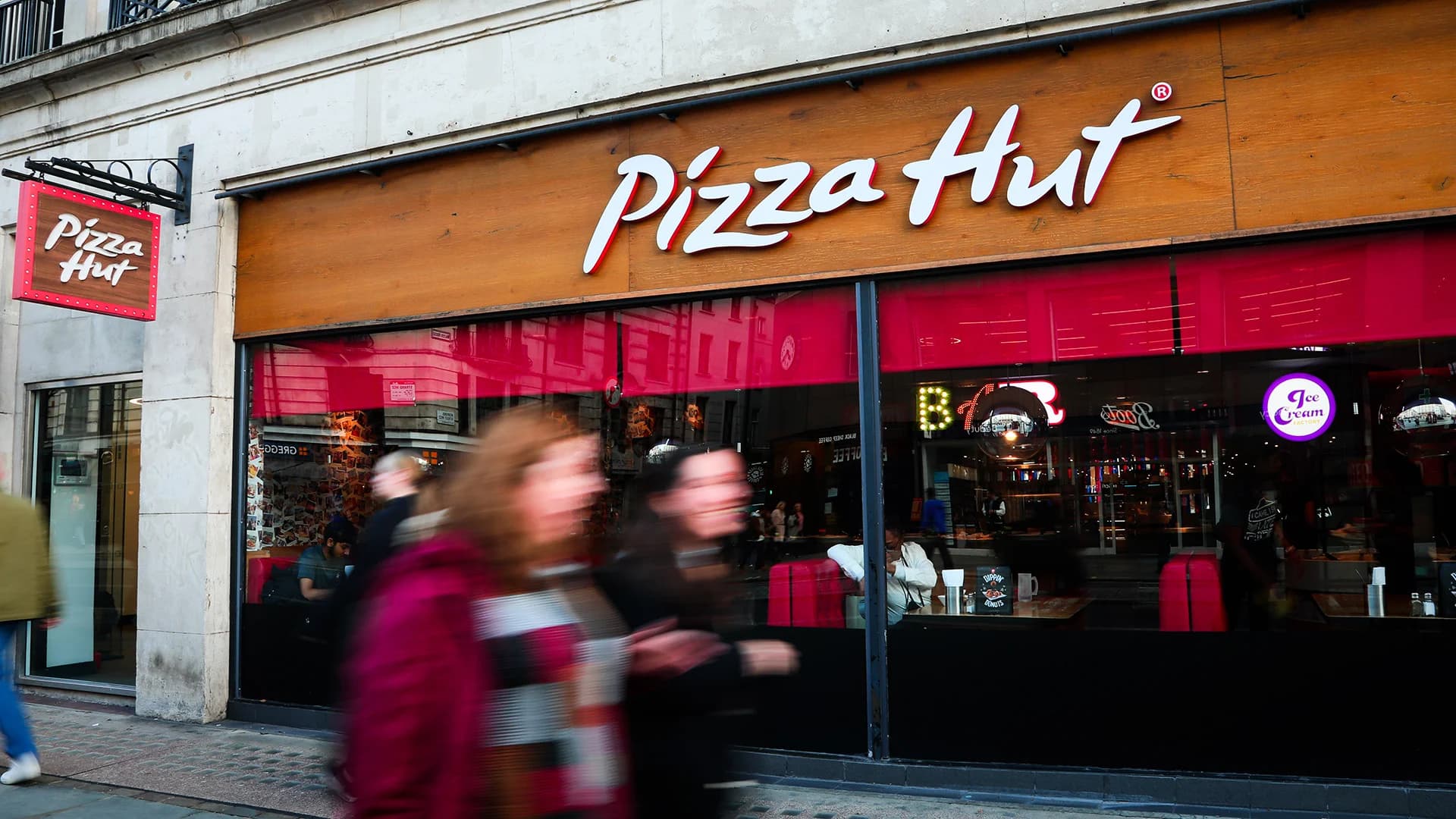
A Pizza Hut franchise owner has filed a $100 million lawsuit against the chain in Texas Business Court, according to Inc., raising critical questions about how quick-service restaurants implement artificial intelligence systems. The legal action underscores a widening gap between corporate mandates and franchisee profitability, an issue increasingly relevant to Nashville-area business owners operating under national brand agreements.
The dispute centers on the chain's AI-powered delivery system, which the franchisee claims has created operational complications rather than the promised efficiencies. For independent restaurant operators—whether in Nashville or across the Southeast—such technology rollouts often come with mandatory adoption costs and integration challenges that can strain thin profit margins in the competitive fast-casual dining sector.
This case reflects a broader tension in franchise models where corporate headquarters impose technology investments without sufficient input from on-the-ground operators who must absorb implementation costs and customer service risks. Nashville franchisees in the restaurant sector should monitor this litigation closely, as outcomes could influence how major chains approach future tech mandates and whether they offer flexibility for local market conditions.
The lawsuit serves as a cautionary tale for franchise networks nationwide. As restaurants increasingly turn to automation and artificial intelligence, establishing clear agreements about technology costs, performance expectations, and liability protections has become essential. For franchisees considering new brand partnerships or renegotiating existing agreements, understanding these risk factors can prove critical to long-term business viability.