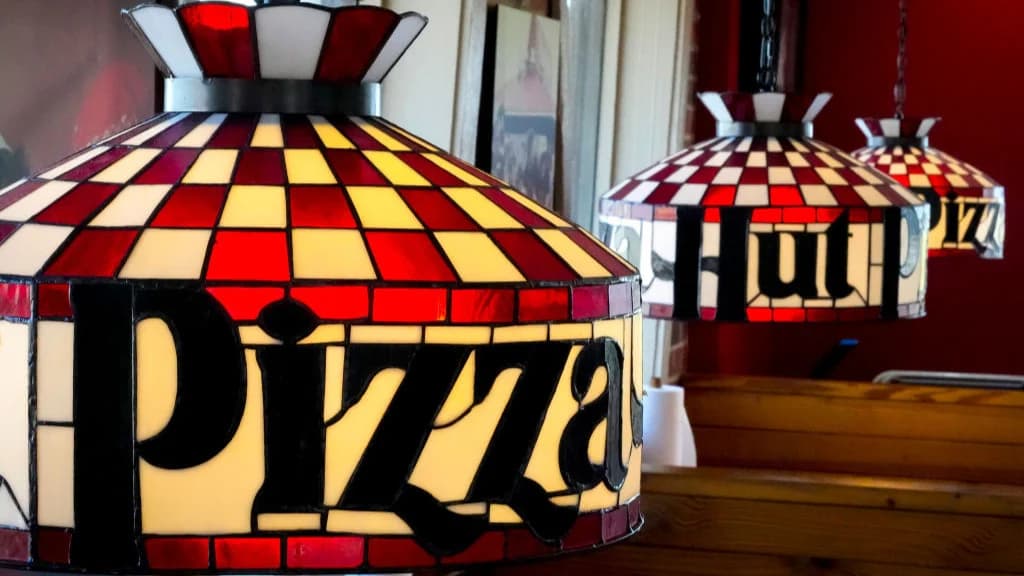
Photo via Inc.
According to Inc., Pizza Hut is undergoing a significant transformation under the leadership of Tim Sparks, who is betting that recapturing 1980s aesthetics and brand identity can reverse the chain's declining fortunes. The strategy centers on evoking consumer nostalgia—a tactic that has proven effective at drawing customers back to establishments they may have abandoned years ago. For Nashville-area restaurant operators, Sparks' approach demonstrates how brand heritage can become a competitive asset in an increasingly crowded market.
The retro repositioning strategy addresses a fundamental challenge facing legacy restaurant chains: remaining relevant to modern consumers while honoring the emotional connections previous generations formed with the brand. By intentionally tapping into cultural memory, Pizza Hut is attempting to differentiate itself in a competitive quick-service restaurant landscape dominated by newer concepts and fast-casual alternatives. This approach resonates particularly well in communities like Nashville, where established local and regional restaurant brands maintain strong customer loyalty.
For Nashville business leaders in the hospitality sector, Sparks' mission illustrates the potential value locked within aging brand assets. Rather than wholesale reinvention, the strategy preserves what made Pizza Hut distinctive while updating operations for contemporary customer expectations. This balanced approach may prove especially relevant for regional chains and independent operators looking to strengthen market position without abandoning their foundational brand identity.
The success of Pizza Hut's retro revival could reshape how struggling restaurant chains approach turnarounds nationwide. If the strategy gains traction, it may inspire similar heritage-focused initiatives among other established brands—offering Nashville-based restaurateurs a tested framework for breathing new life into established properties and capturing the growing consumer appetite for nostalgic dining experiences.