Photo via Fast Company
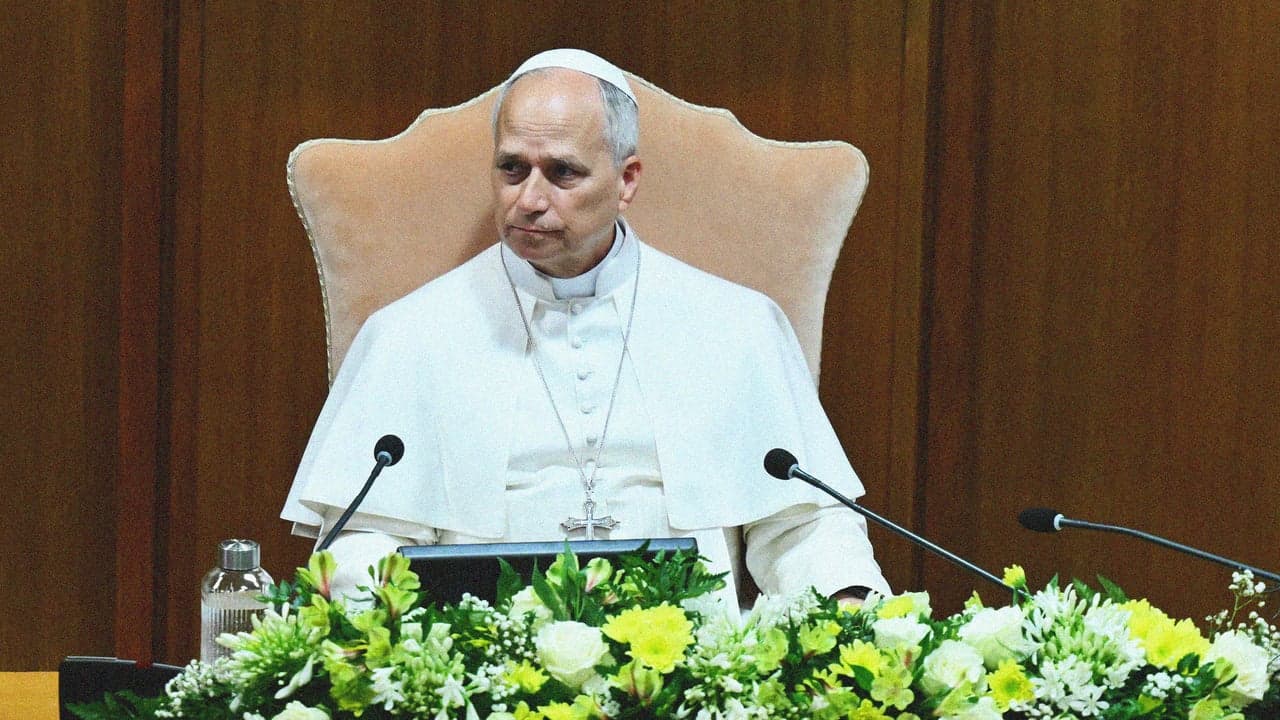
Pope Leo XIV has released a comprehensive 85-page encyclical addressing artificial intelligence's role in modern society, titled Magnifica Humanitas: On Safeguarding the Human Person in the Time of Artificial Intelligence. The Vatican document, informed by conversations with scientists, engineers, educators, and policymakers, draws a stark line between human and machine capabilities. Notably, the pope warned against concentrated corporate control of AI development, cautioning that the technology will inevitably reflect the values and priorities of those who build and finance it.
The response from the AI research community has been largely supportive. Prominent figures including Turing Award winners Yann LeCun and Yoshua Bengio have publicly agreed with the pope's core argument—that AI must serve the common good rather than narrow corporate interests. AI researcher Chris Olah, who contributed to the encyclical's development, emphasized that while the technical aspects of AI involve mathematics and programming, the broader questions about its character and societal role belong in domains like philosophy, religion, and humanities.
However, significant disagreement exists within the tech world about the pope's foundational claims. Some AI commentators argue the encyclical underestimates what artificial intelligence could eventually become, suggesting the document focuses on "relatively mundane" dangers while missing deeper existential questions. Others, particularly those aligned with the current administration's deregulatory approach, worry more about government oversight than corporate concentration, warning that broad regulatory authority could enable surveillance and censorship.
For Nashville-area business leaders and entrepreneurs, this Vatican pronouncement signals growing pressure on tech companies to demonstrate ethical governance and responsible AI deployment. As AI becomes increasingly central to competitive advantage across industries—from healthcare to manufacturing to financial services—the conversation around who controls this technology and how it's deployed will likely influence everything from talent recruitment to investor expectations and regulatory compliance for regional businesses adapting to AI-driven transformation.