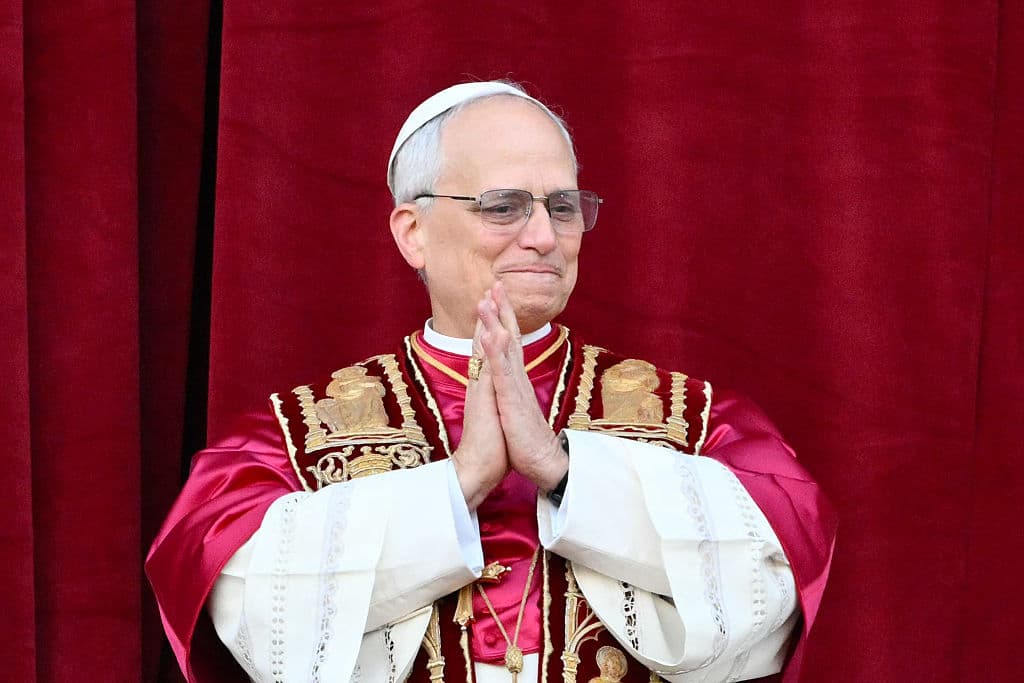
Photo via TechCrunch
Pope Leo XIV's recent encyclical addressing artificial intelligence transcends the technical aspects of the technology itself, instead using AI as a framework to examine systemic imbalances in modern society. According to TechCrunch's analysis, the document zeroes in on longstanding concerns that predate contemporary debates around machine learning and automation.
The encyclical emphasizes how concentrated power among technology elites has created an asymmetry in who controls emerging innovations and how those tools shape society. For Nashville business leaders investing in or adopting AI solutions, this framing raises important questions about vendor dependencies and the concentration of technological decision-making among a small number of large corporations.
Democratic erosion represents another central concern highlighted in the Vatican's statement. The document suggests that when a narrow tech elite guides technological development without broader societal input, democratic institutions weaken. Nashville's business community—from healthcare organizations to financial services firms—should consider how this concentration affects local innovation ecosystems and competitive opportunity.
The encyclical's broader message suggests that addressing AI's societal challenges requires examining power structures themselves, not just technical safeguards. For Nashville entrepreneurs and established businesses navigating digital transformation, this perspective underscores the importance of inclusive decision-making and stakeholder engagement as organizations adopt new technologies.