Photo via Fortune
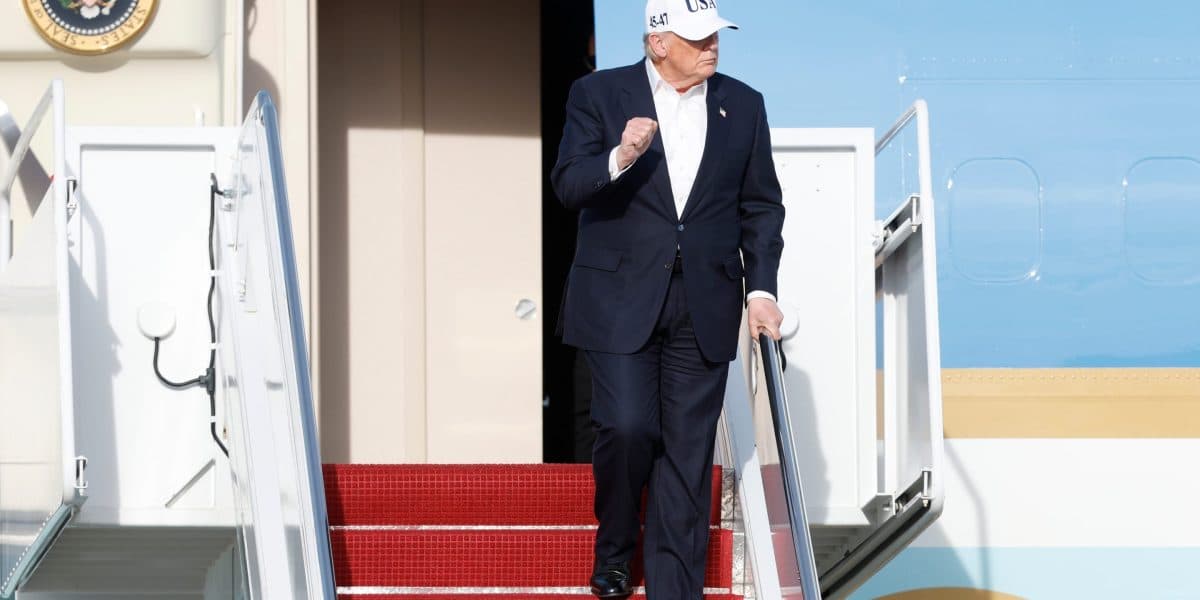
According to Fortune, a presidential candidate underwent four separate medical examinations over a 16-month period, spending three hours at a military medical facility for the most recent evaluation. The candidate subsequently claimed that all results came back without issues, yet the frequency of these assessments and underlying health conditions have drawn increased public attention to questions about what constitutes adequate health screening for top leadership roles.
Among the documented concerns is a circulatory condition that affects blood pooling in the lower extremities—a condition that raises questions about stamina and long-term health implications for demanding executive positions. These medical details underscore the complexity of evaluating fitness for roles requiring sustained physical and mental endurance, a consideration that parallels how Nashville-area corporations assess leadership readiness among their own C-suite candidates.
Public perception matters significantly in leadership evaluation. Recent polling data indicates that a majority of Americans harbor doubts about the candidate's overall fitness for office, suggesting that medical clearances alone may not fully address public confidence concerns. For Nashville business leaders, this dynamic demonstrates how transparency and comprehensive health disclosures can impact stakeholder trust and organizational credibility.
The recurring medical examinations and public discourse reflect broader conversations about health standards for high-pressure leadership positions. As Nashville's business community continues to prioritize executive wellness and succession planning, these national-level discussions offer valuable lessons about establishing clear, consistent health evaluation protocols and communicating results effectively to stakeholders.