Photo via FreightWaves
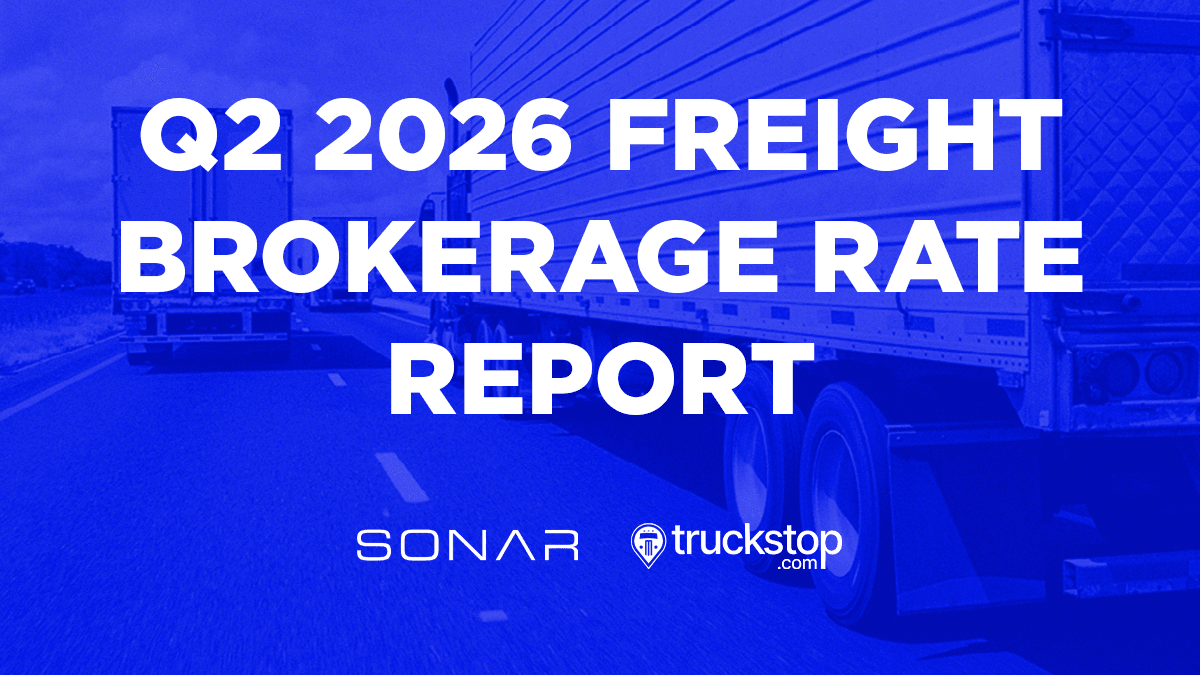
According to FreightWaves' latest Freight Brokerage Rate Report, the logistics industry is entering a critical planning period for the second quarter of 2026. The report, sponsored by Truckstop.com, combines survey responses from active freight brokers with real-time SONAR market data to create a comprehensive snapshot of rate trends and competitive dynamics. For Nashville-area logistics companies operating in or serving the Southeast freight corridor, understanding these broader market movements is essential to maintaining competitive pricing and operational efficiency.
The quarterly report format allows brokers to assess how conditions evolved in the previous quarter while preparing for anticipated shifts in the months ahead. Nashville's growing distribution and logistics hub status means local freight brokers are increasingly competing on both regional and national levels. Access to granular market intelligence—such as rate benchmarking and capacity forecasts—has become a standard business tool for firms seeking to optimize their service offerings and margin structures.
Industry data from sources like SONAR provide brokers with visibility into supply-and-demand patterns across key freight lanes and equipment types. This intelligence helps Nashville-based logistics operators make informed decisions about rate adjustments, capacity allocation, and market positioning. For smaller brokers and established firms alike, quarterly reporting cycles offer checkpoints to validate assumptions and recalibrate strategies before market conditions shift.
As the logistics sector continues to evolve with technological integration and shifting consumer demand patterns, regular market analysis remains a cornerstone of strategic planning. Nashville businesses engaged in freight brokerage, third-party logistics, or transportation services should consider incorporating such quarterly market reviews into their competitive intelligence practices to stay informed of rate pressures and opportunity windows emerging across their service regions.