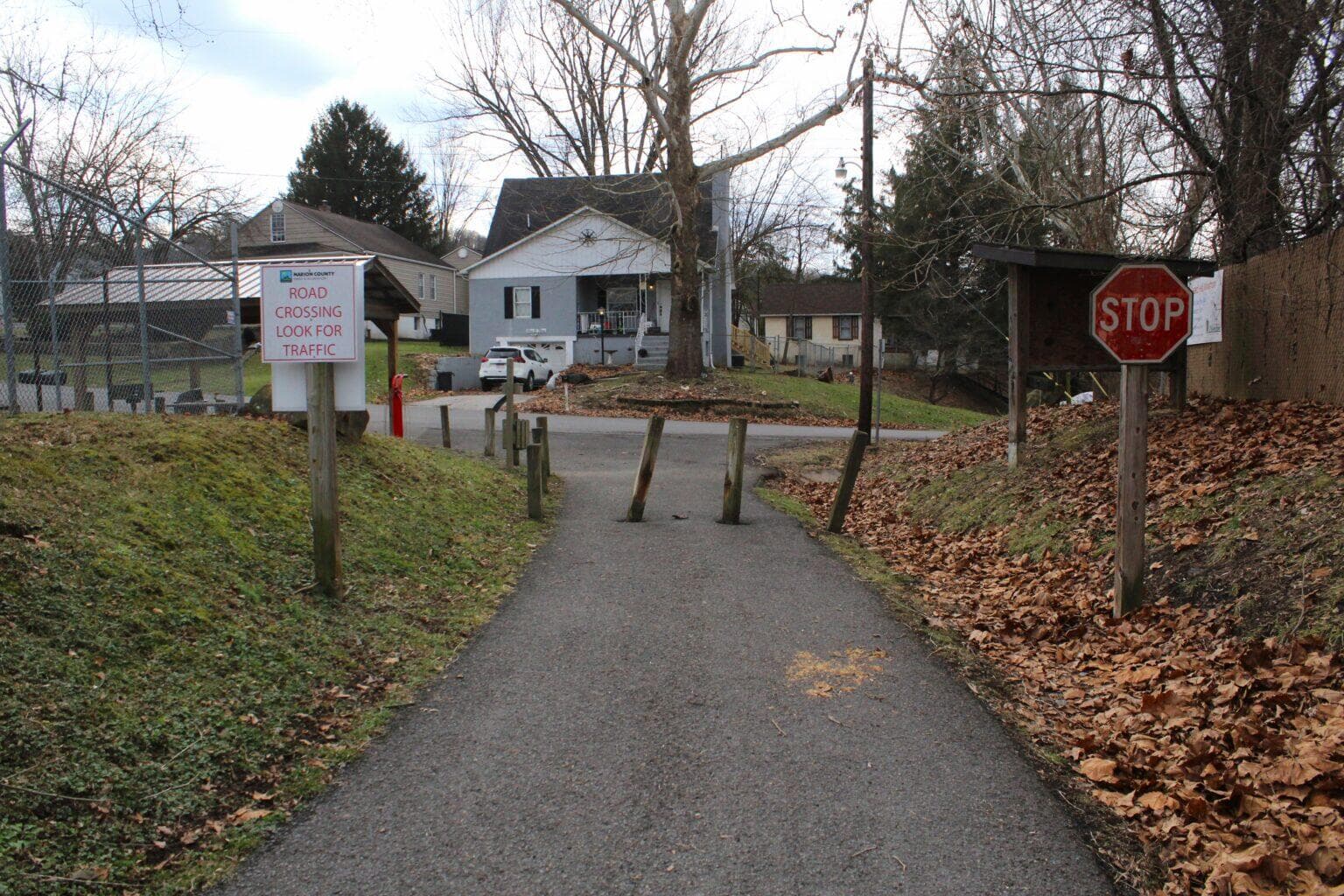
Photo via WPLN Nashville NPR
A significant infrastructure initiative in West Virginia is reshaping how communities think about abandoned rail corridors. According to WPLN Nashville, officials are advancing an ambitious vision to connect West Virginia communities with Pittsburgh through a comprehensive rail-trail network, with the project now closing in on completion.
The Parkersburg to Pittsburgh Corridor represents a 238-mile undertaking that converts outdated railroad infrastructure into modern multi-use recreational pathways. This conversion model—increasingly popular across the United States—transforms dormant assets into community amenities that support outdoor recreation and regional connectivity. Only four gaps remain in the West Virginia network, with the Marion County terminus in Fairmont representing one of the final segments needing development.
For Nashville-area economic development professionals, this regional case study illustrates how strategic infrastructure projects can unlock value in underutilized assets. Rail-to-trail conversions typically generate secondary economic benefits through increased property values, tourism, and business development along trail corridors—outcomes that parallel successful greenway initiatives in Middle Tennessee communities.
As the West Virginia project approaches completion, it serves as a model for how regional collaboration and long-term vision can transform historical infrastructure challenges into modern assets that benefit multiple communities simultaneously, potentially influencing similar development strategies across the Southeast.