Photo via Fast Company
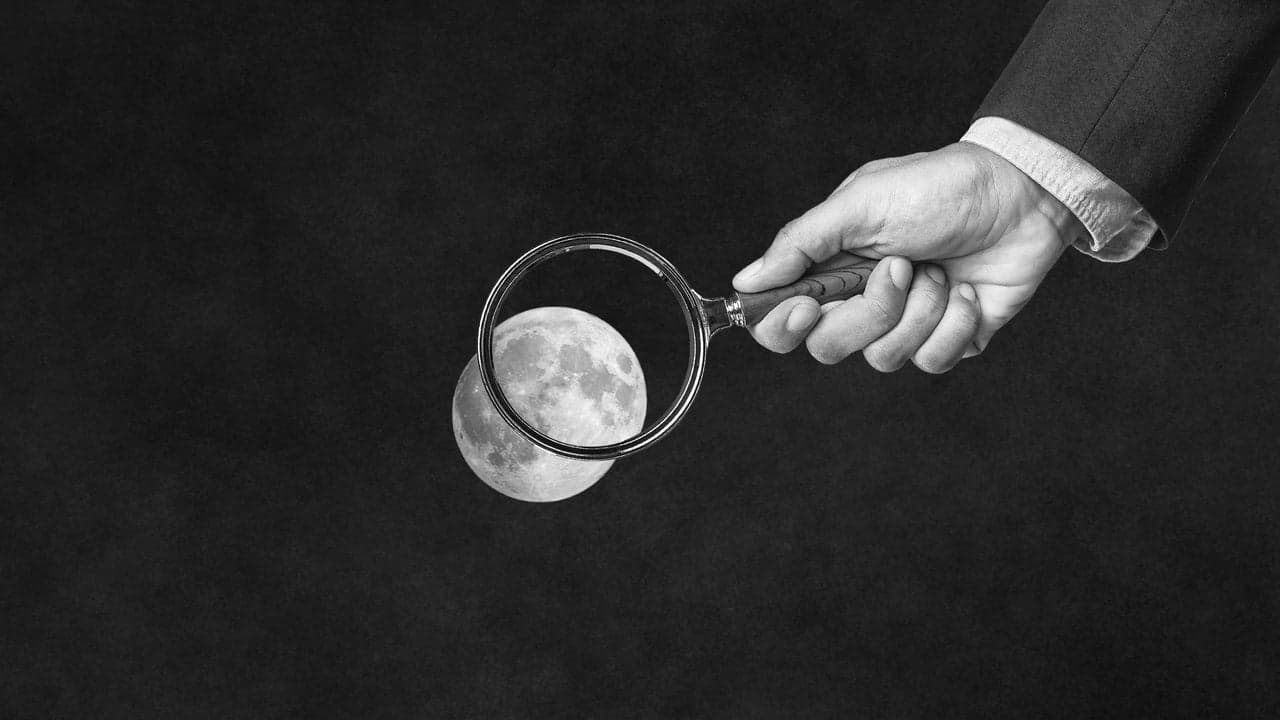
Nashville skywatchers have a unique opportunity before dawn on Sunday, May 31, when a rare blue micromoon reaches peak illumination at 4:45 a.m. ET. The phenomenon represents a convergence of two uncommon celestial events: May's second full moon of the month combined with the moon at its farthest distance from Earth. These rare occurrences remind us that even in our increasingly digital age, natural phenomena still capture our attention and spark shared wonder across communities.
A blue moon has nothing to do with its actual color but rather its calendar positioning. According to astronomical sources, a blue moon occurs roughly every 30 months when two full moons appear in the same calendar month. This year, Nashville residents witnessed the first May full moon on May 1, making Sunday's appearance the second—and thus the blue moon. While the term 'once in a blue moon' reflects genuine rarity, the next calendar blue moon won't occur until December 2028, giving this weekend's event genuine significance.
The 'micro' designation means the moon will appear slightly smaller and dimmer than usual—roughly 10 to 15 percent smaller in diameter, according to National Geographic. This occurs because the moon orbits Earth in an elliptical pattern rather than a perfect circle, and at apogee, its farthest point, it appears diminished. However, the difference will be barely perceptible to the naked eye, making this a subtle astronomical event rather than a dramatic visual spectacle.
For Nashville professionals seeking a brief respite from business demands, Sunday's early morning hours offer a rare chance to witness cosmic geometry in action. Setting an alarm for the pre-dawn hours might feel unconventional, but shared celestial events create natural touchstones for community connection—much like milestone events that punctuate our professional and personal calendars. Whether you're an astronomy enthusiast or simply curious, this micromoon represents the kind of rare occurrence that justifies the famous idiom.