Photo via Entrepreneur
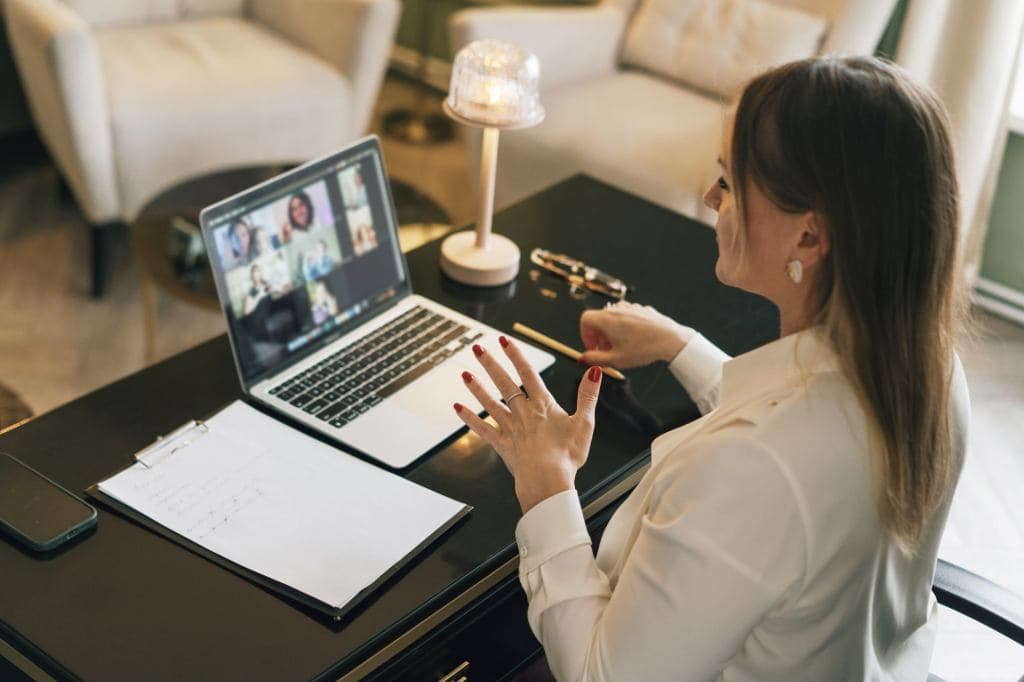
Half a decade into widespread remote work adoption, Nashville businesses are moving beyond the initial experiment phase and settling into what actually works. The early debates about productivity losses have largely been put to rest, replaced by a more nuanced understanding of how flexibility can coexist with measurable results. According to reporting from Entrepreneur, companies that have thrived in this environment share a common trait: they've learned to balance employee autonomy with clear accountability measures.
The key to success isn't simply allowing everyone to work from home indefinitely, nor is it forcing a return to full-time office presence. Instead, leading Nashville firms are adopting hybrid models that emphasize outcomes over hours logged. This approach has proven particularly valuable in industries like technology, professional services, and finance—sectors that represent growing parts of the Nashville economy. When companies focus on deliverables and measurable goals rather than desk time, employees report higher satisfaction while organizations see improved retention and talent recruitment.
Accountability mechanisms have evolved to match remote and hybrid arrangements. Rather than relying on manager observation, successful Nashville-area businesses have implemented clear project metrics, regular check-ins, and transparent communication channels. This shift has forced organizations to become more intentional about defining expectations and measuring success—changes that often improve performance across the board, whether employees work on-site or remotely.
For Nashville business leaders evaluating their post-pandemic work strategies, the lesson is clear: flexibility without structure creates chaos, but structure without flexibility wastes the competitive advantage that remote work offers. The companies winning on talent attraction and retention are those that have moved beyond ideological stances—either "work from home forever" or "everyone back in the office"—and instead crafted customized approaches that serve their specific business needs and employee circumstances.