Photo via Inc.
According to Inc. Magazine's analysis of Haas F1's operational changes, effective leadership in turnaround situations hinges on a counterintuitive principle: successful managers focus on clearing impediments rather than implementing restrictive policies. This philosophy challenges the traditional command-and-control management style that many Nashville-area companies still rely on, particularly in manufacturing and logistics sectors where hierarchical structures have historically dominated.
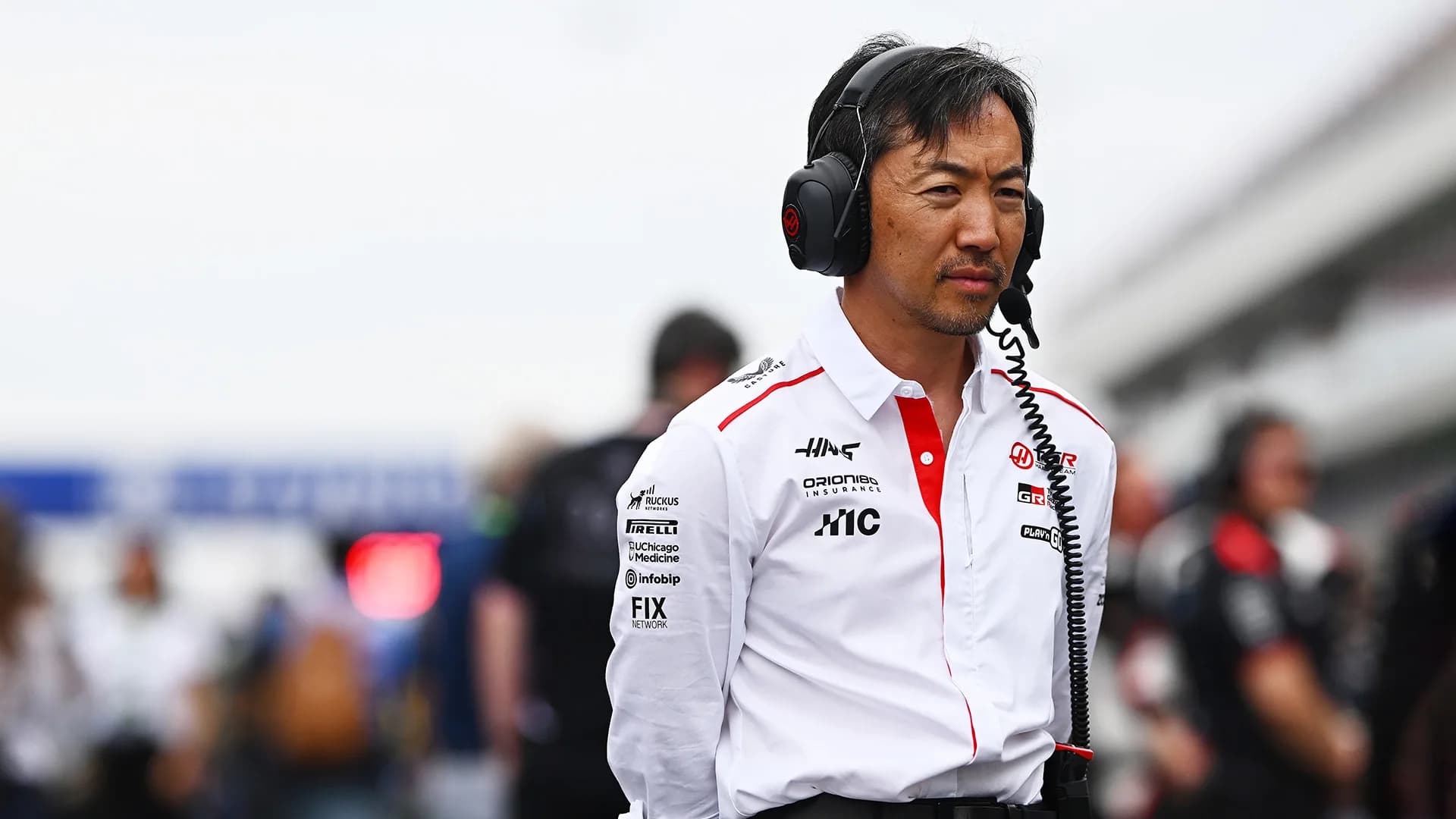
Ayao Komatsu's tenure at Haas F1 demonstrates how identifying and eliminating systemic obstacles can unlock team potential faster than layoffs or reorganizations. For Nashville business leaders managing operations across industries—from healthcare systems to tech startups—this insight suggests that time spent diagnosing workflow bottlenecks and removing friction points yields better returns than time spent drafting new policies. The approach requires leaders to work directly with frontline teams to understand their challenges.
This leadership model particularly resonates with growing Nashville companies experiencing scaling challenges. As organizations expand from startup to mid-market operations, many inadvertently accumulate bureaucratic layers that slow decision-making and demoralize talented employees. Komatsu's focus on structural enablement rather than constraint-based management offers a template for leaders seeking to maintain agility and innovation as they grow.
For Nashville executives, the takeaway is clear: invest in understanding what prevents your teams from succeeding, then systematically remove those barriers. Whether managing a manufacturing facility, a healthcare network, or a technology firm, leaders who prioritize obstacle elimination over rule creation build stronger organizational cultures and achieve turnaround objectives more efficiently than those who tighten controls.