Photo via Inc.
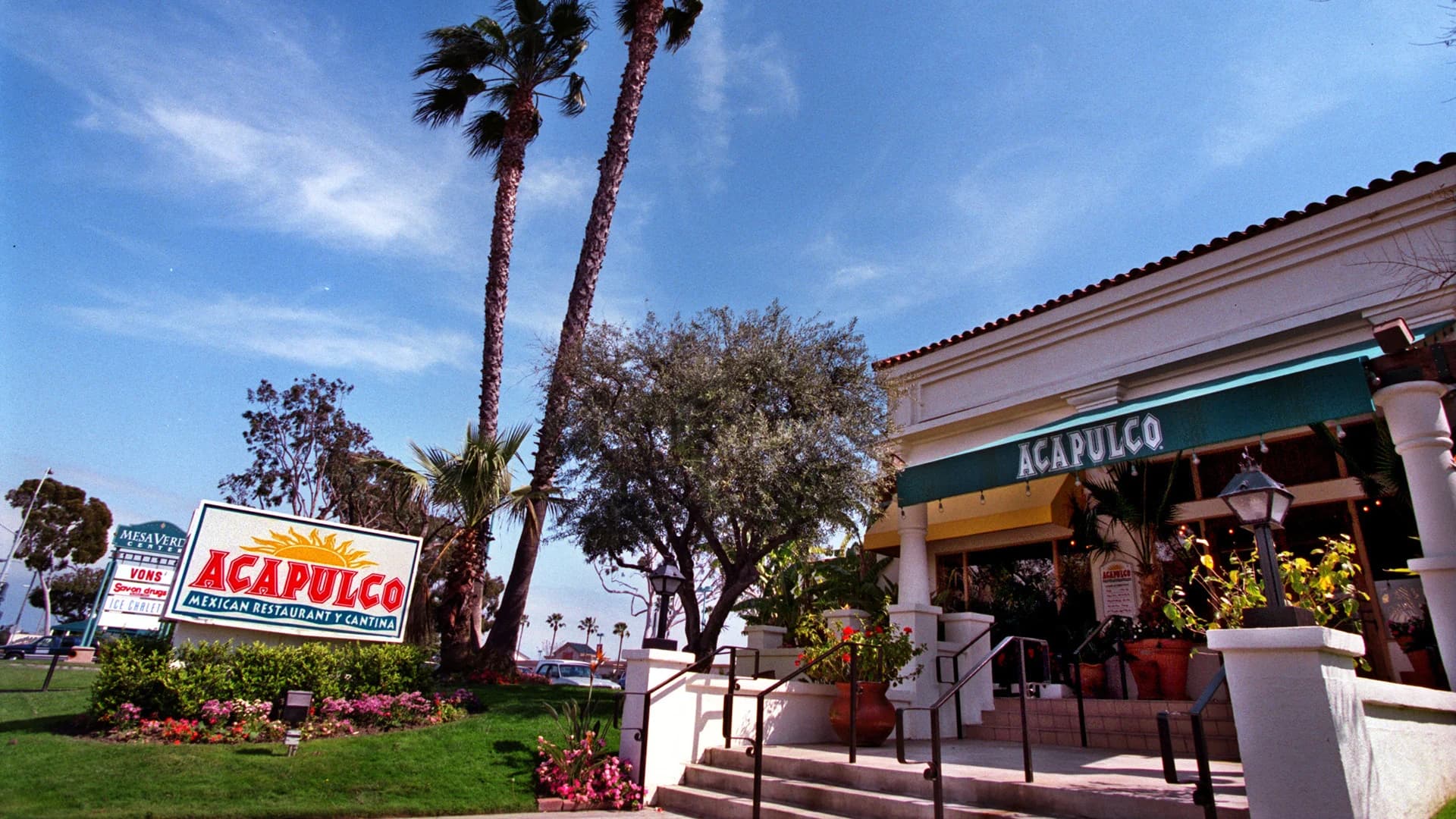
The restaurant industry's volatility continues to reshape the competitive landscape, with established brands facing unprecedented challenges. According to Inc., a Mexican dining establishment that once operated multiple locations has contracted significantly, retaining just one operational site after nearly seven decades in business. The chain originally launched its first restaurant in Pasadena, California in 1960, during a period of expansion in the casual dining sector.
For Nashville-area restaurant operators, the contraction of long-standing chains offers a cautionary tale about market dynamics and operational sustainability. Even brands with deep roots and decades of customer loyalty can struggle to maintain profitability across multiple locations, particularly when facing changing consumer preferences, labor costs, and supply chain pressures that have intensified in recent years.
The consolidation reflects broader trends impacting the restaurant sector nationwide. Many independent and regional operators in Middle Tennessee have similarly streamlined their footprints, focusing resources on their highest-performing locations rather than maintaining underperforming establishments. This strategic pivot, while painful, often proves necessary for long-term viability.
Nashville's dining community should consider such cases when evaluating expansion strategies and operational efficiency. Successful restaurants increasingly prioritize quality and brand consistency over rapid growth, a lesson that applies whether operating a single flagship location or managing a regional portfolio. Understanding which business model works best for your concept—and your market—remains critical to surviving the next decade.