Photo via CNBC Business
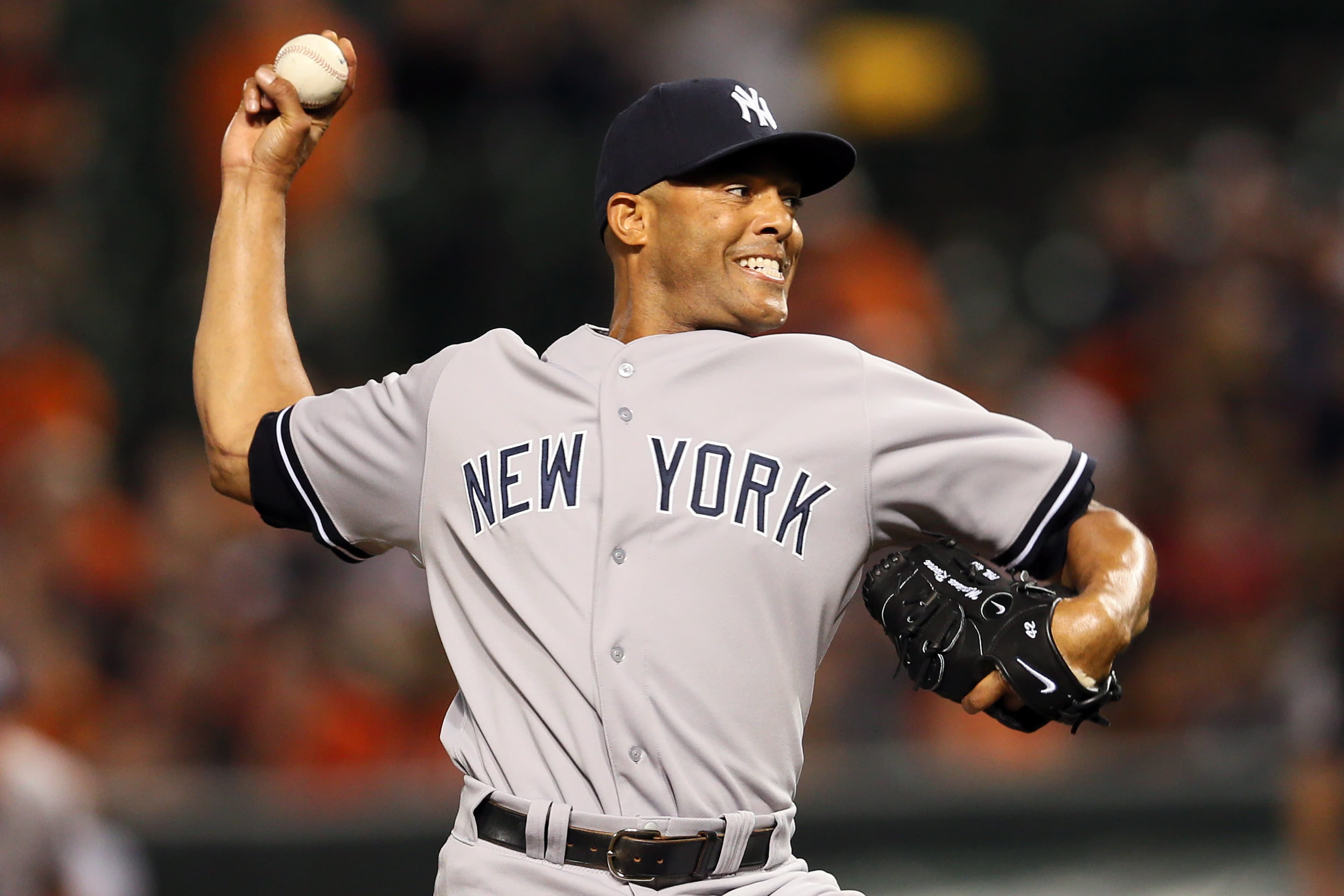
According to CNBC Business, Hall of Famer Mariano Rivera has weighed in on one of baseball's most contentious labor debates: whether MLB should implement a salary cap. The legendary Yankees closer, who spent most of his Hall of Fame career in New York's high-spending market, believes a cap could benefit the sport—but with important conditions attached.
Rivera's support for a salary cap represents an interesting perspective from someone who thrived under baseball's current spending structure. Rather than advocating for a system that would have directly benefited his own era of play, he's proposing a framework that emphasizes competitive balance across the league, regardless of market size.
The crux of Rivera's position centers on equity: any salary cap system must be paired with a mandate that smaller-market teams actively invest in competitive rosters. Without such protections, a cap could simply entrench advantages for well-established franchises while leaving smaller-market owners free to pocket savings rather than reinvest in talent.
Rivera's nuanced stance reflects broader discussions within professional sports about balancing player compensation, owner profitability, and competitive integrity. His comments add weight to ongoing negotiations that could reshape baseball's economic landscape for years to come.