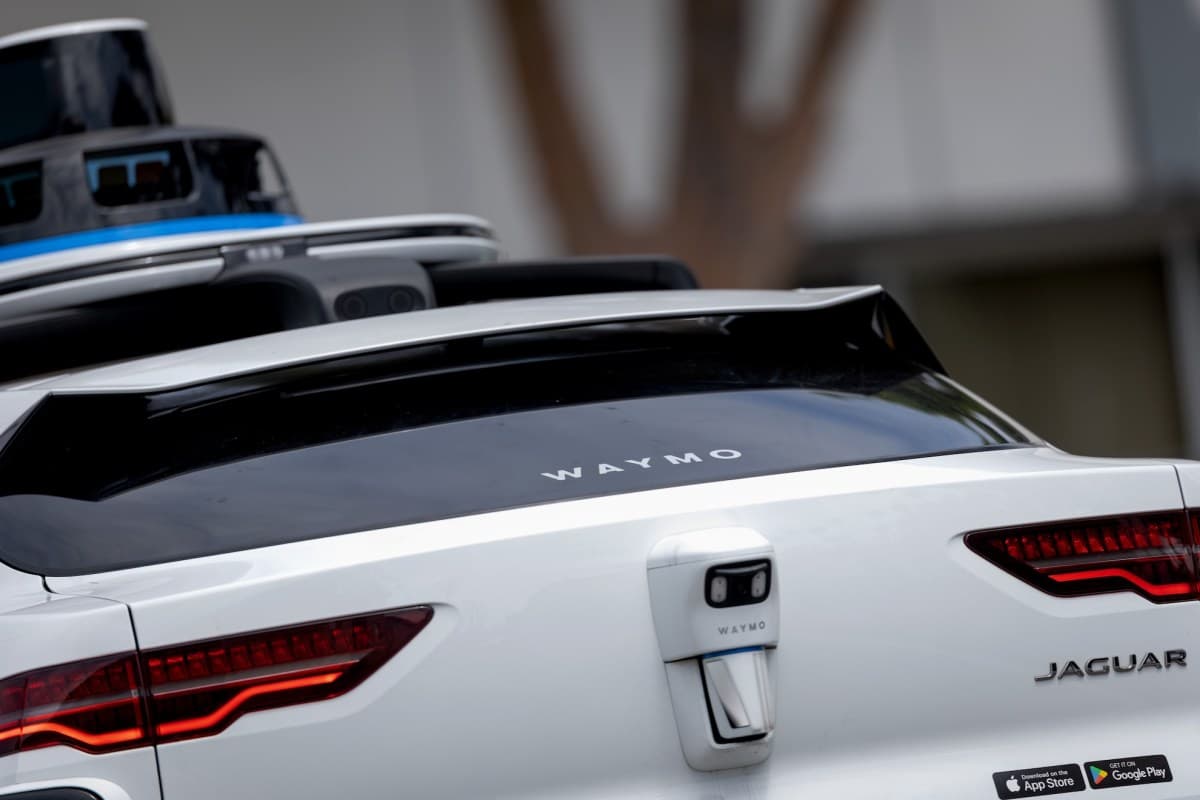
Photo via TechCrunch
The autonomous vehicle industry is encountering significant headwinds as robotaxi companies work to scale their operations beyond initial pilot markets. According to TechCrunch Mobility, the gap between technological capability and real-world commercial viability continues to widen, prompting investors and operators to reassess timelines and deployment strategies.
For Nashville's transportation and logistics sectors, the robotaxi trajectory offers important lessons about the pace of technological adoption. Local fleet operators and delivery services should consider how autonomous vehicles might eventually reshape labor practices, insurance costs, and operational models—though widespread implementation remains years away.
The current challenges facing robotaxi operators include regulatory approval across multiple jurisdictions, liability frameworks that remain untested in many states, and the substantial capital requirements needed to maintain and expand vehicle fleets. These obstacles suggest that hybrid approaches combining autonomous and human-operated vehicles may dominate the near-term market.
Nashville-based transportation and logistics companies would be wise to monitor robotaxi developments while focusing on near-term operational efficiency. Rather than assuming rapid disruption, business leaders should evaluate incremental integration of autonomous technology where it makes economic sense, while preparing workforce strategies for a longer-than-expected transition period.