Photo via Nyt News Today
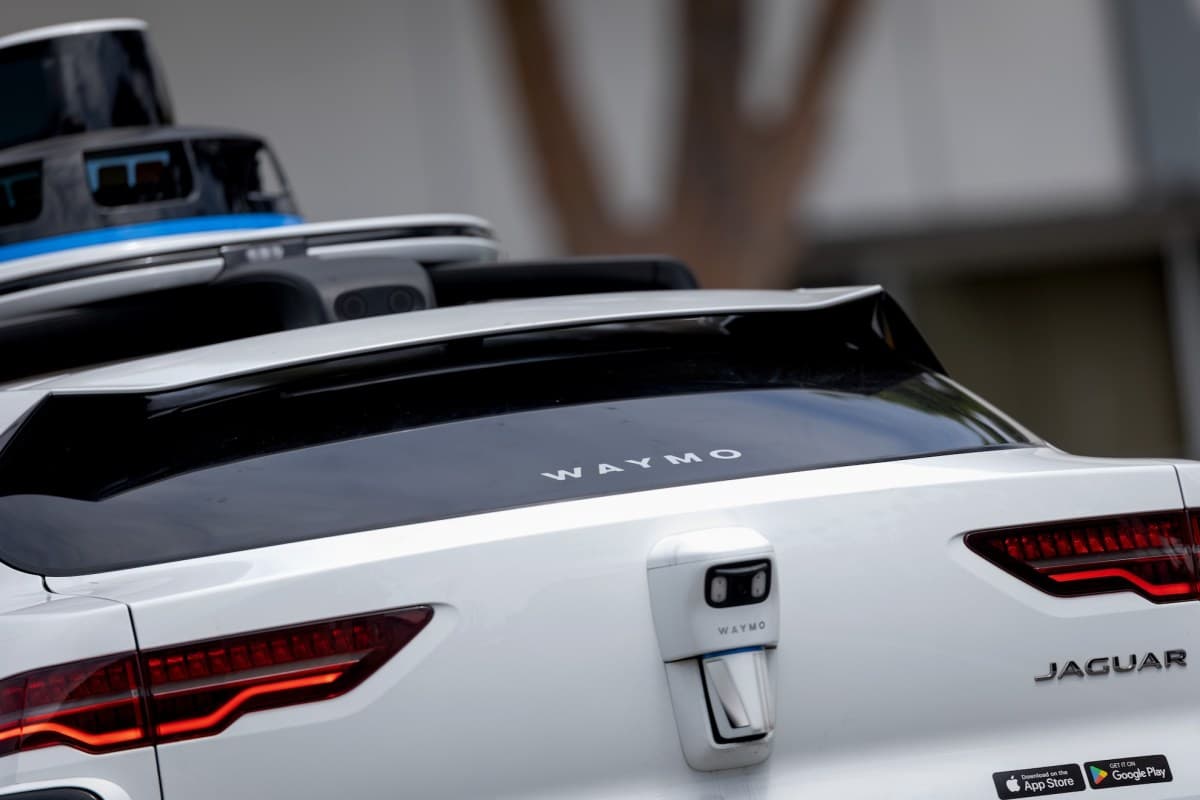
The autonomous vehicle sector has reached an inflection point. According to TechCrunch's mobility analysis, companies like Waymo have demonstrated working robotaxi services in select markets, yet the technology remains far from the widespread deployment many anticipated. This contradiction—simultaneous progress and limitation—reflects the complex reality of bringing self-driving vehicles to scale, a challenge that will inevitably affect how Nashville-area businesses approach logistics and transportation planning.
For Nashville's growing tech ecosystem and logistics hub operations, the robotaxi timeline matters significantly. Companies investing in future transportation infrastructure need realistic expectations about when autonomous fleets might meaningfully impact their supply chains or customer delivery models. The gap between functional prototypes in controlled environments and commercially viable services across diverse geographic and weather conditions remains substantial, according to industry observers.
The implications extend beyond ride-sharing. Nashville's position as a regional logistics and transportation center means understanding autonomous vehicle development directly impacts workforce planning, infrastructure investment decisions, and competitive positioning. Businesses should monitor this sector closely rather than assume rapid disruption, as the timeline continues to shift based on regulatory, technical, and market factors.
As this technology matures, Nashville companies would be wise to develop informed perspectives on autonomous vehicles rather than react hastily to hype. The robotaxi sector demonstrates that breakthrough technology adoption follows unpredictable paths, with real-world deployment often requiring more time and refinement than early enthusiasm suggests.