Photo via Cedar City News
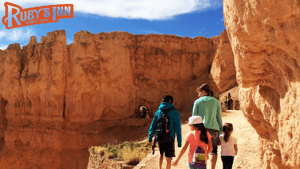
According to Cedar City News, Ruby's Inn—positioned at the gateway to Bryce Canyon National Park in Southern Utah—has built a summer strategy around its natural competitive advantage: elevation. As temperatures climb across the region, the property leverages its mountain location to draw heat-weary travelers seeking relief. For Nashville-area hospitality operators, the lesson is clear: understanding and marketing your geographic advantages can drive incremental revenue during peak travel seasons.
The property's promotional approach combines two proven tactics: highlighting environmental benefits (cool mountain air) while offering aggressive pricing incentives. This dual strategy addresses both rational decision-making and value-consciousness among summer travelers. Nashville hotels and resorts in areas with distinct seasonal appeal—from Gatlinburg's elevation to Mammoth Cave's cool caverns—could apply similar marketing frameworks to compete effectively during high-demand periods.
Ruby's Inn's summer campaign illustrates a broader principle for Tennessee's $40+ billion tourism industry: successful regional hospitality requires both authentic product differentiation and timely promotional execution. As Nashville continues developing its portfolio of destination properties beyond the urban core, understanding how regional competitors leverage natural assets and seasonal dynamics remains essential for staying competitive in the broader Southeastern travel market.