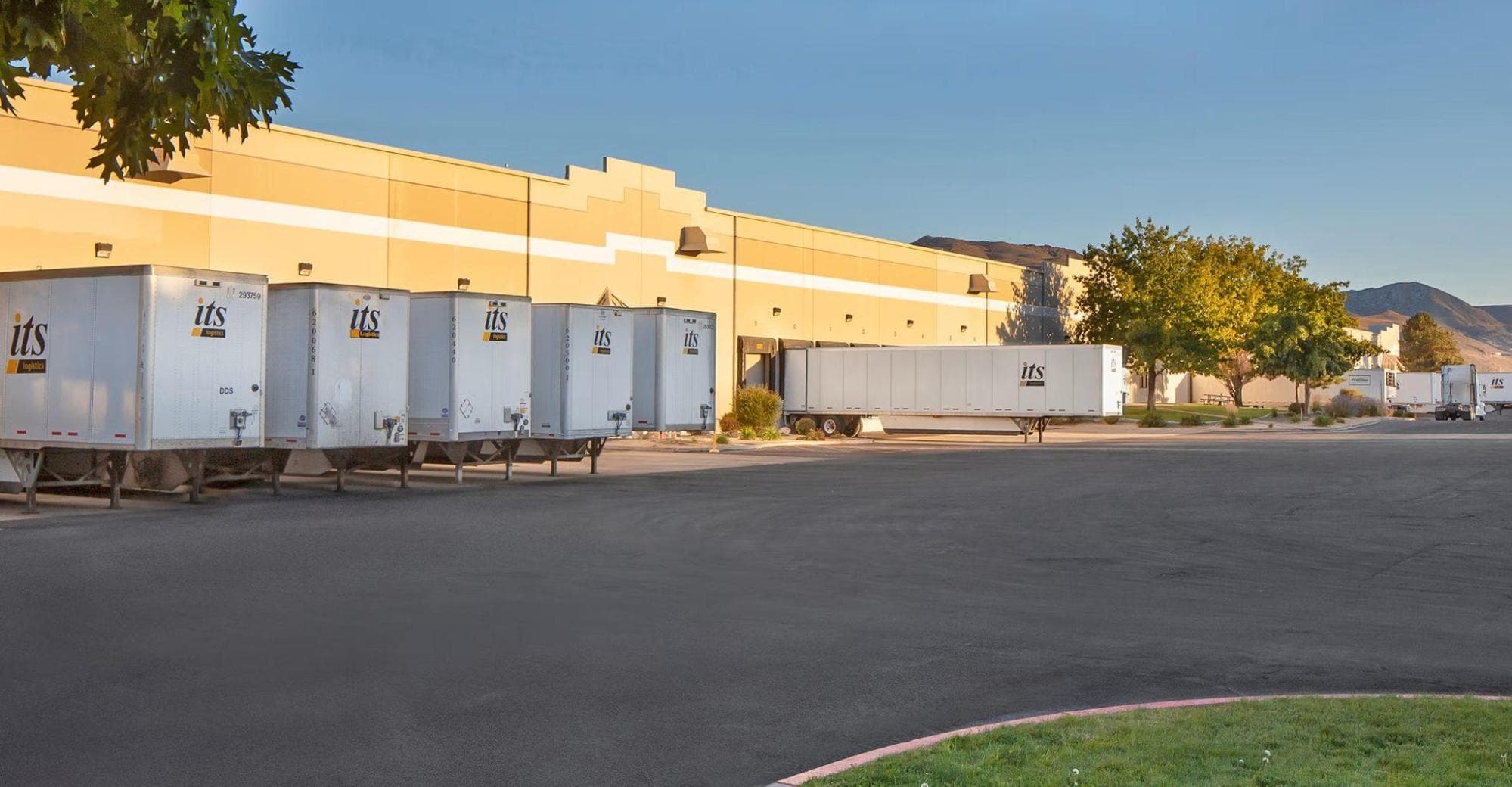
Photo via FreightWaves
According to ITS Logistics executives, shippers who maintained flat budgets for 2026 are heading toward a significant capacity challenge as multiple industry headwinds converge. The freight logistics provider points to a combination of driver departures, elevated fuel expenses, and constrained inventory levels as factors that will tighten available transportation capacity in the coming year, forcing shippers to reassess their transportation spending assumptions.
The capacity crunch reflects broader challenges facing the trucking and logistics sector, where driver retention remains difficult and operational costs continue to pressure margins. Companies that did not account for reduced driver availability or higher fuel surcharges in their 2026 planning may find themselves competing more aggressively for limited capacity or facing unexpected rate increases.
The warning comes as shippers and carriers adjust to market conditions that differ significantly from prior-year assumptions. Industry participants are increasingly recognizing that flat-line budget forecasting may not adequately reflect the structural tightness expected in transportation markets, potentially requiring mid-year adjustments to logistics strategies and spending plans.