Photo via Inc.
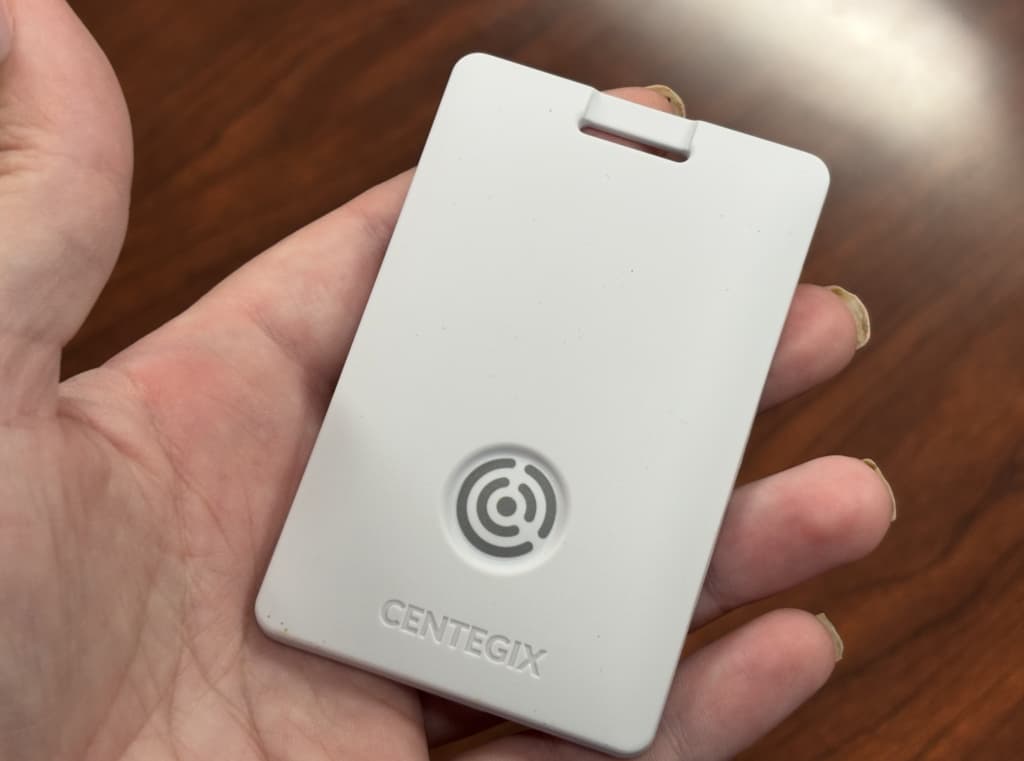
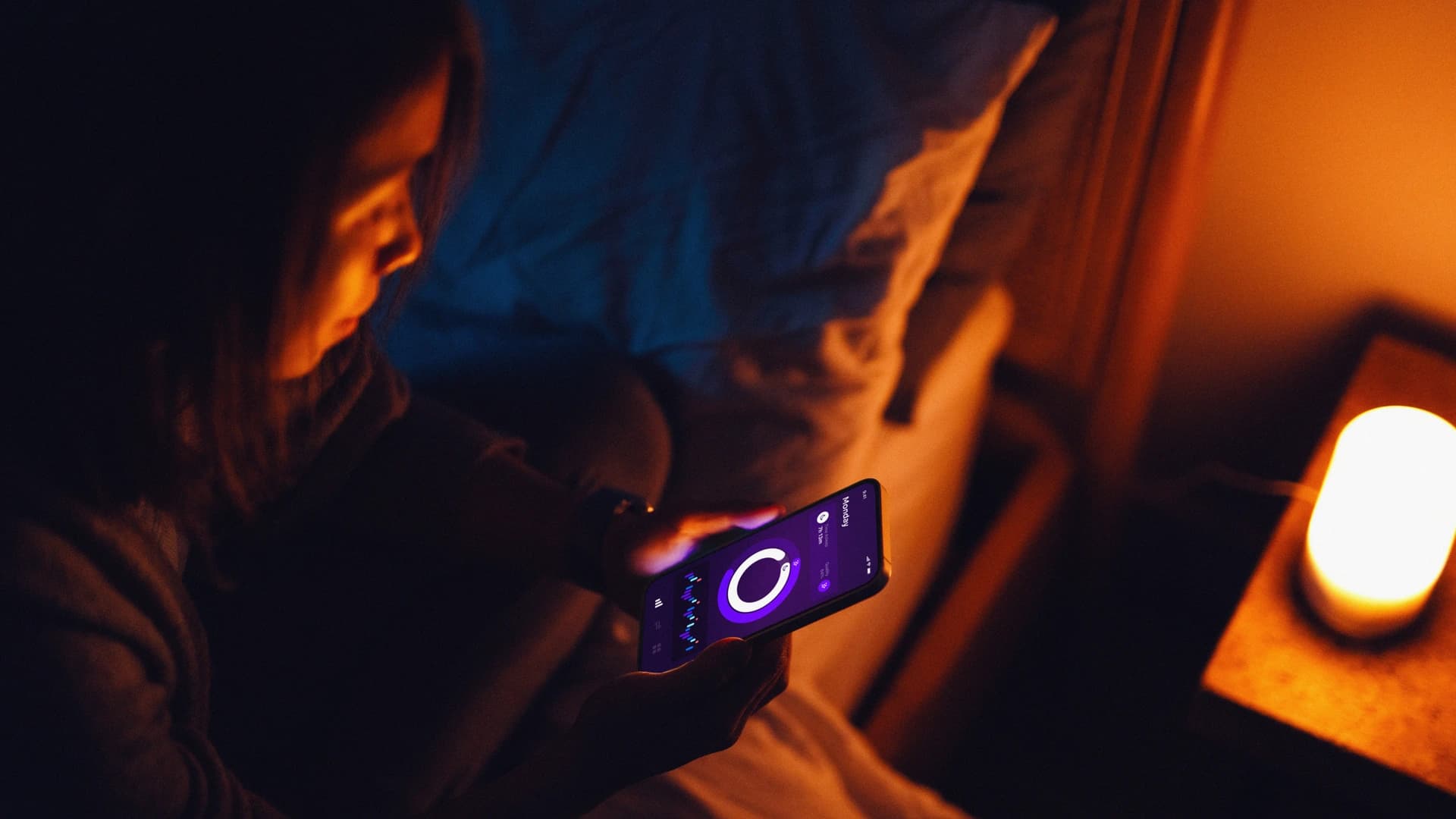
According to recent research published by sleep health experts, the proliferation of sleep-tracking devices and applications may inadvertently worsen sleep quality for people already dealing with insomnia. Rather than providing the promised relief, these tools—including smartwatches, fitness rings, and mobile applications—often create a counterproductive cycle that exacerbates sleep difficulties.
The mechanism behind this paradox involves what researchers call 'performance anxiety.' When individuals struggling with sleep begin obsessively monitoring their sleep metrics, they become hyperaware of every sleep disruption and performance measure. This heightened focus and anxiety about achieving optimal sleep scores can actually trigger or intensify insomnia symptoms, creating a self-defeating feedback loop.
For Nashville-area employers and HR departments currently implementing wellness programs featuring sleep-tracking technology, this research warrants attention. Many companies have adopted these tools as part of comprehensive employee health initiatives, assuming the data-driven approach would universally benefit workers. However, the study suggests that a one-size-fits-all technology solution may harm employees with pre-existing sleep conditions.
Healthcare providers and wellness professionals recommend a more nuanced approach: sleep apps and wearables may benefit healthy sleepers seeking optimization, but individuals with chronic insomnia may need traditional clinical interventions instead. Nashville businesses considering wellness program adjustments should consult with occupational health specialists to ensure their technology investments genuinely support employee wellbeing.