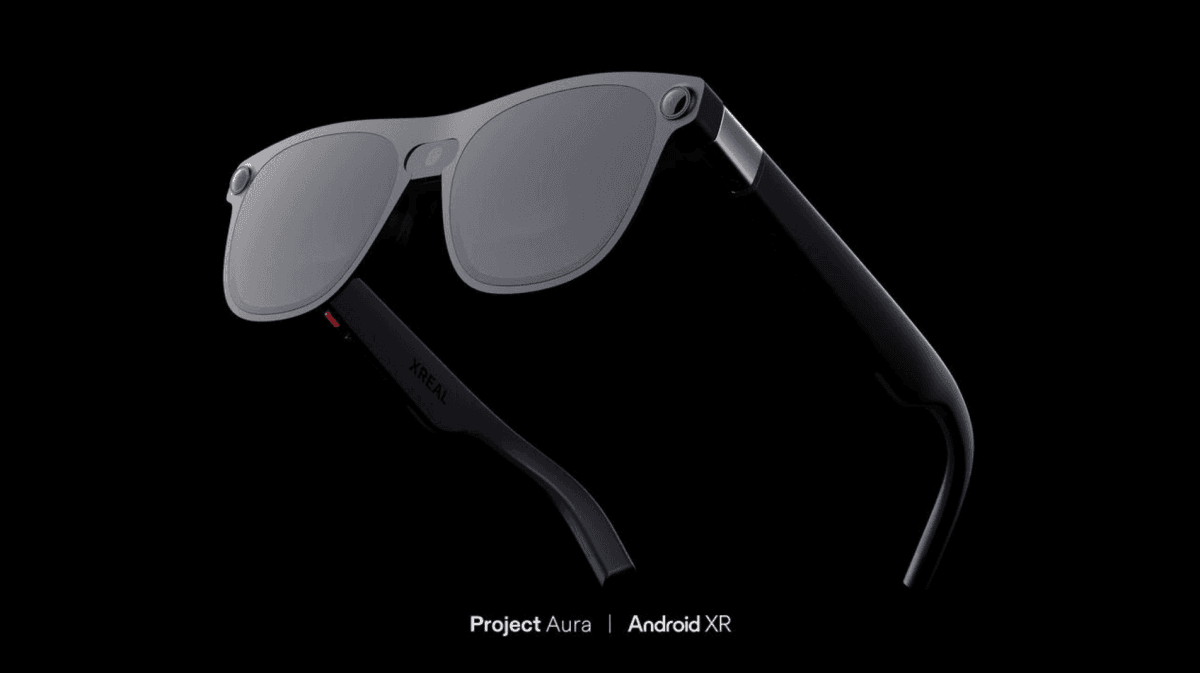
Photo via TechCrunch
The smartglasses industry, long plagued by false starts and consumer skepticism, appears to be entering a more stable phase. According to TechCrunch, Xreal—a key technology partner for Google in the wearable space—believes the sector has finally overcome the fundamental challenges that have stalled mainstream adoption for years. This shift could reshape how businesses and consumers interact with augmented reality technology.
Xreal's position as Google's smartglasses partner places it at the forefront of an industry that has historically struggled with design, functionality, and market timing. The company's optimism stems from advances in hardware miniaturization, improved battery life, and more practical applications that move beyond early adopter novelty. For Nashville-area tech companies and startups, this maturation presents potential opportunities in complementary software development, content creation, and enterprise solutions tailored to regional industries.
The timing matters significantly for the broader technology ecosystem. Previous attempts to popularize smartglasses failed partly due to high costs, limited use cases, and user experience shortcomings. According to the source, Xreal's work suggests these obstacles are being systematically addressed, potentially opening doors for wider commercial and consumer applications across healthcare, logistics, retail, and manufacturing sectors—industries with strong representation in Tennessee's economy.
As the smartglasses market stabilizes, Nashville-based businesses should monitor developments closely. Companies in healthcare, logistics, and manufacturing may find competitive advantages through early adoption of AR-enabled workflows. Meanwhile, local tech talent and startups could position themselves to serve emerging demands for smartglasses applications, integration services, and content development as the industry moves from experimental to practical implementation.