Photo via Fast Company
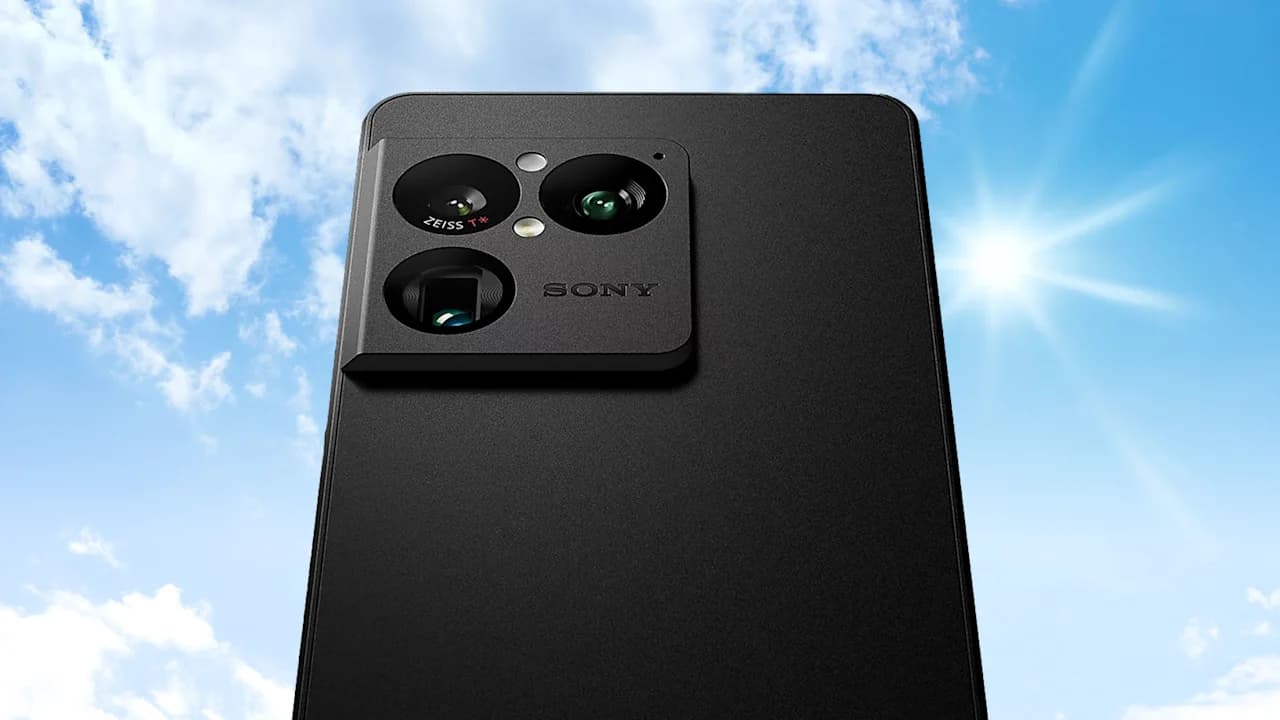
Sony's recent attempt to showcase an AI Camera Assistant feature for its Xperia smartphone has backfired spectacularly on social media, raising broader questions about how technology companies validate and promote emerging features. According to Fast Company, the company posted before-and-after image examples that demonstrated the tool's supposed capabilities—but the results revealed overexposed, flat photographs that undermined the feature's credibility and sparked widespread mockery across X and Reddit.
The backlash was swift and merciless, with users questioning whether Sony executives genuinely believed the examples showcased quality improvements. Some observers, including Nothing CEO Carlos Pei, speculated the poor demonstration might have been intentional engagement farming—a tactic where brands deliberately post controversial or flawed content to generate conversation and visibility. The original post garnered over 11 million views, leading skeptics to argue Sony knowingly weaponized negative attention around the launch of its new flagship camera and phone.
Sony attempted damage control by clarifying that the AI Camera Assistant doesn't edit photos after capture; rather, it suggests four different settings based on scene analysis. However, according to the source reporting, the clarification came too late to salvage the company's credibility on the platform, as commenters indicated the meme status was irreversible. The incident highlights how quickly poor product communication can undermine technology trust among Nashville's growing tech-savvy business community.
For Nashville-area tech companies and startups, Sony's misstep offers a cautionary tale about the importance of thorough product vetting before public demonstration. Whether intentional or not, the campaign demonstrates how artificial intelligence features require careful, credible showcasing to gain market acceptance—a lesson relevant to local firms developing their own AI capabilities and seeking investor or consumer confidence.