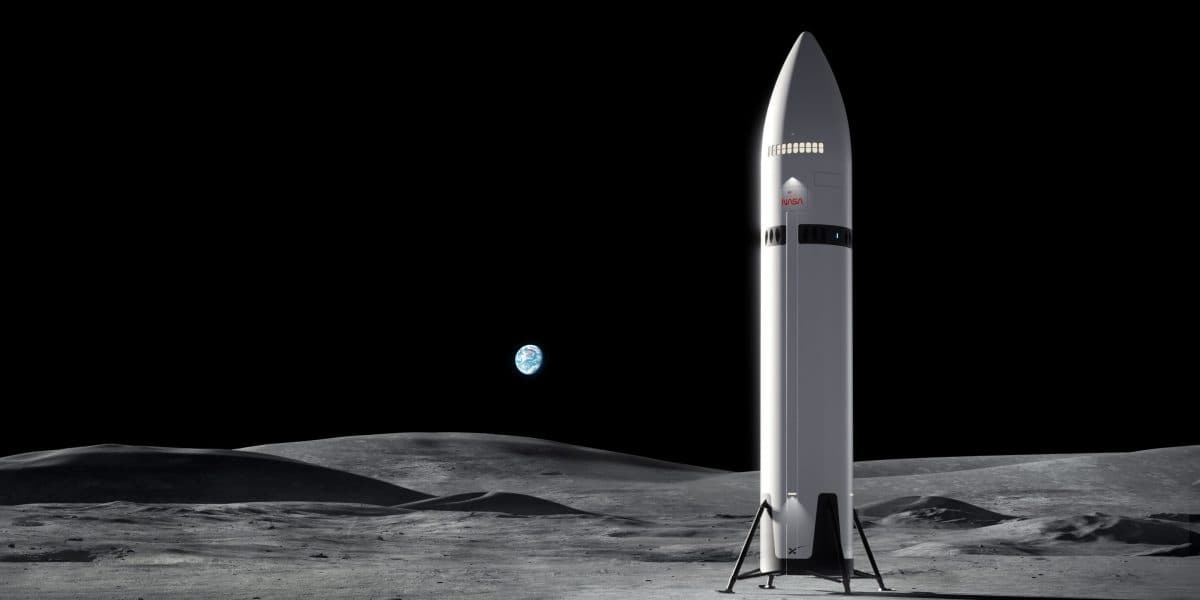
Photo via Fortune
According to Fortune, Blue Origin's recent rocket explosion has significantly altered the competitive landscape for NASA's lunar exploration program. The incident has effectively sidelined Blue Origin from contention for Artemis III missions, the next phase of NASA's ambitious return-to-the-moon initiative. This development underscores the high stakes and technical complexity involved in aerospace manufacturing and launch operations.
With Blue Origin unable to field its Blue Moon lander in the near term, SpaceX has emerged as the primary contractor supporting NASA's lunar ambitions. This consolidation of responsibility represents a critical dependency for one of the federal government's most visible and well-funded science programs. For investors and business observers, the situation highlights both the risks and opportunities concentrated in a single aerospace supplier.
The setback also comes as SpaceX reportedly prepares for a major initial public offering. A successful IPO would provide the company with substantial capital to expand operations and accelerate development of advanced technologies. Such a move could further entrench SpaceX's position as the dominant player in commercial space launch and exploration services.
The reduced competition in NASA contracts raises broader questions about innovation and efficiency in the aerospace sector. While SpaceX's proven capabilities inspire confidence in mission success, the absence of competing providers may warrant attention from policymakers focused on maintaining robust competition and technological progress in space exploration.