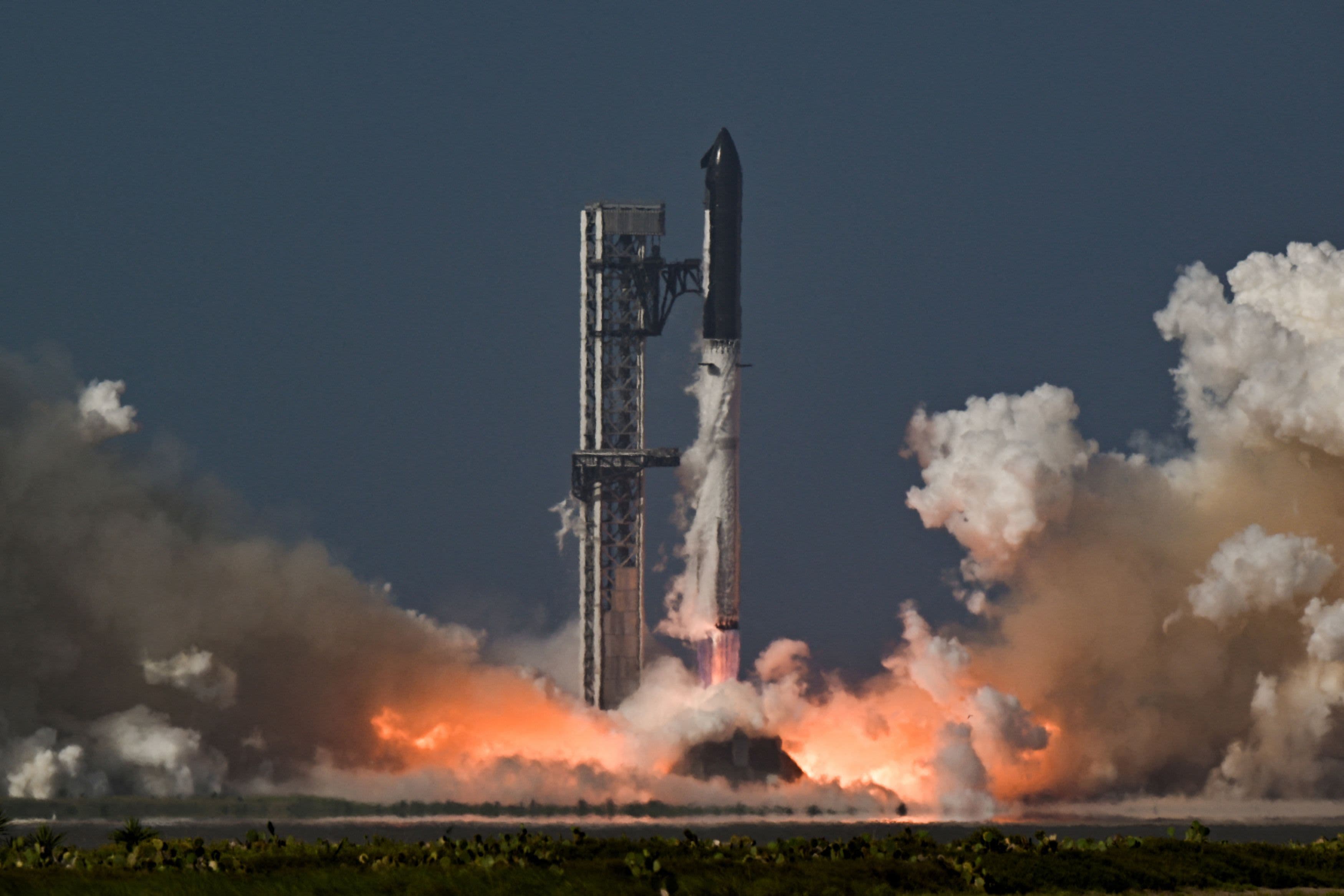
Photo via Fortune
The idea of combining SpaceX and Tesla has captured attention as one of the most ambitious corporate consolidations ever proposed. According to Fortune's analysis, such a merger would create an unprecedented entity by market valuation, combining aerospace innovation with electric vehicle manufacturing and energy solutions. For Nashville-area investors and business leaders tracking major market movements, understanding the scale of this potential deal provides insight into how mega-mergers are evaluated in today's economy.
The financial mechanics of such a combination present significant challenges. Valuing private SpaceX against publicly traded Tesla requires navigating different accounting standards, revenue models, and growth trajectories. Tesla's established public market presence contrasts sharply with SpaceX's private status and government contracts, making a straightforward merger calculation complex. The combined entity would need to address debt structures, shareholder interests, and regulatory approvals across multiple industries.
Beyond the numbers, integration obstacles would likely prove substantial. Tesla operates in consumer markets with established supply chains, while SpaceX relies on government contracts and highly specialized aerospace manufacturing. Combining operational structures, corporate cultures, and strategic priorities across these distinct business models presents management challenges that extend beyond financial projections. Industry analysts question whether synergies would justify the integration complexity.
For Nashville's business community, this hypothetical merger underscores broader trends in how major corporations evaluate growth strategies. Whether through organic expansion or consolidation, large-scale business decisions increasingly hinge on technology integration and long-term strategic positioning. Observers will likely learn more about the feasibility of such combinations as financial institutions continue analyzing what mega-deals mean for market structure and investor returns.