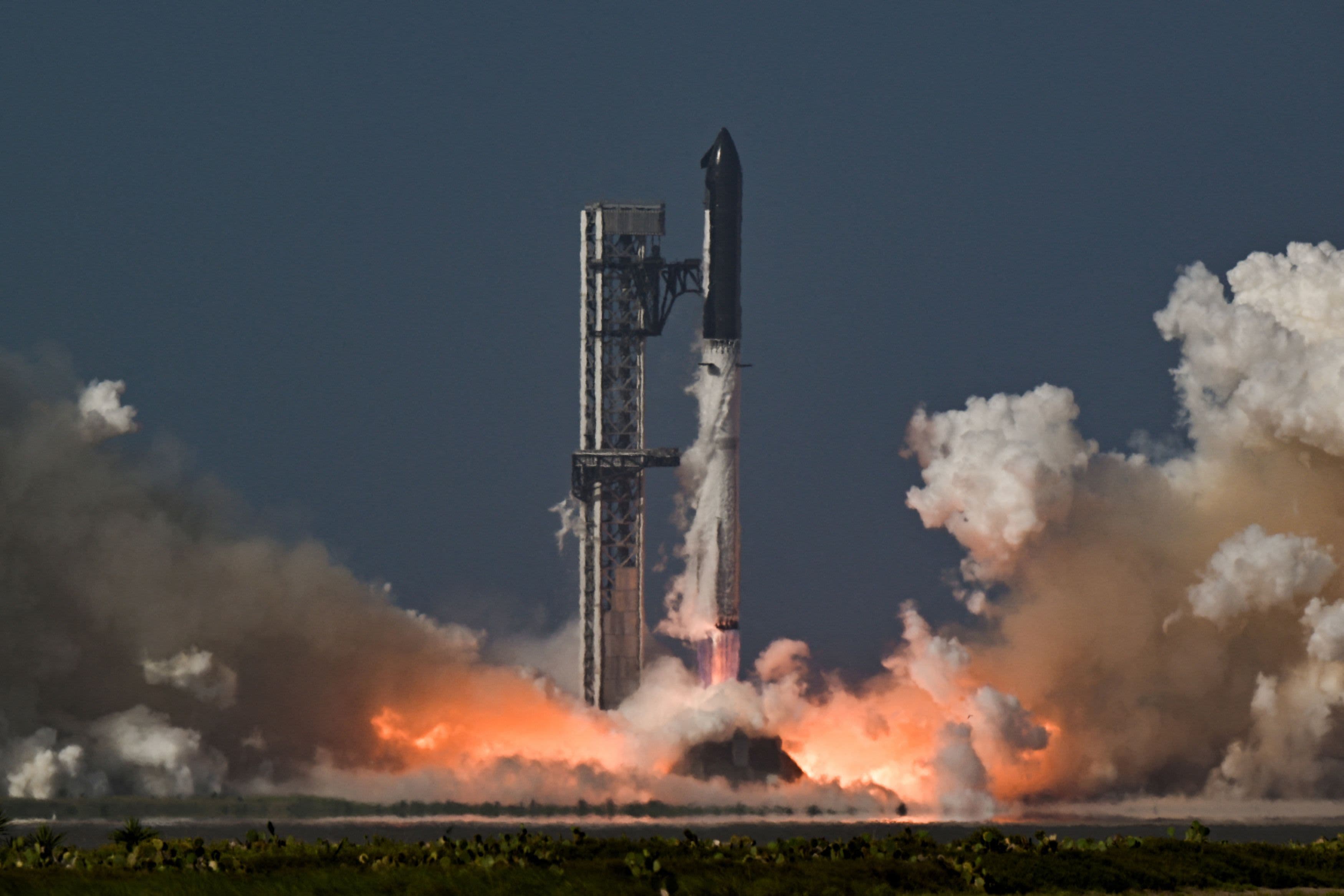
Photo via Fortune
According to Fortune, a hypothetical combination of SpaceX and Tesla would create the largest merger in corporate history, with a combined valuation reaching approximately $3.4 trillion. This union would dwarf previous record-breaking deals and represent an unprecedented consolidation of resources, talent, and market influence under a single corporate entity.
For Nashville-area business leaders tracking technology sector developments, the proposed merger highlights the growing trend of mega-acquisitions in the tech industry. Such a combination would bring together Tesla's automotive and energy businesses with SpaceX's aerospace operations, creating a vertically integrated powerhouse spanning multiple high-growth sectors that increasingly influence supply chains and logistics across the region.
However, the merger presents a significant financial paradox: despite the astronomical valuation, analysts question whether the combined company would generate meaningful profits. This concern underscores the broader challenge facing many high-growth technology companies—achieving profitability at scale while managing complex operations across disparate industries and markets.
For Nashville investors and business stakeholders, this hypothetical scenario serves as a cautionary tale about valuation metrics in the technology sector. The potential deal demonstrates that size alone does not guarantee financial performance, and that even transformative mergers must address fundamental questions about operational efficiency and bottom-line returns.