Photo via TechCrunch
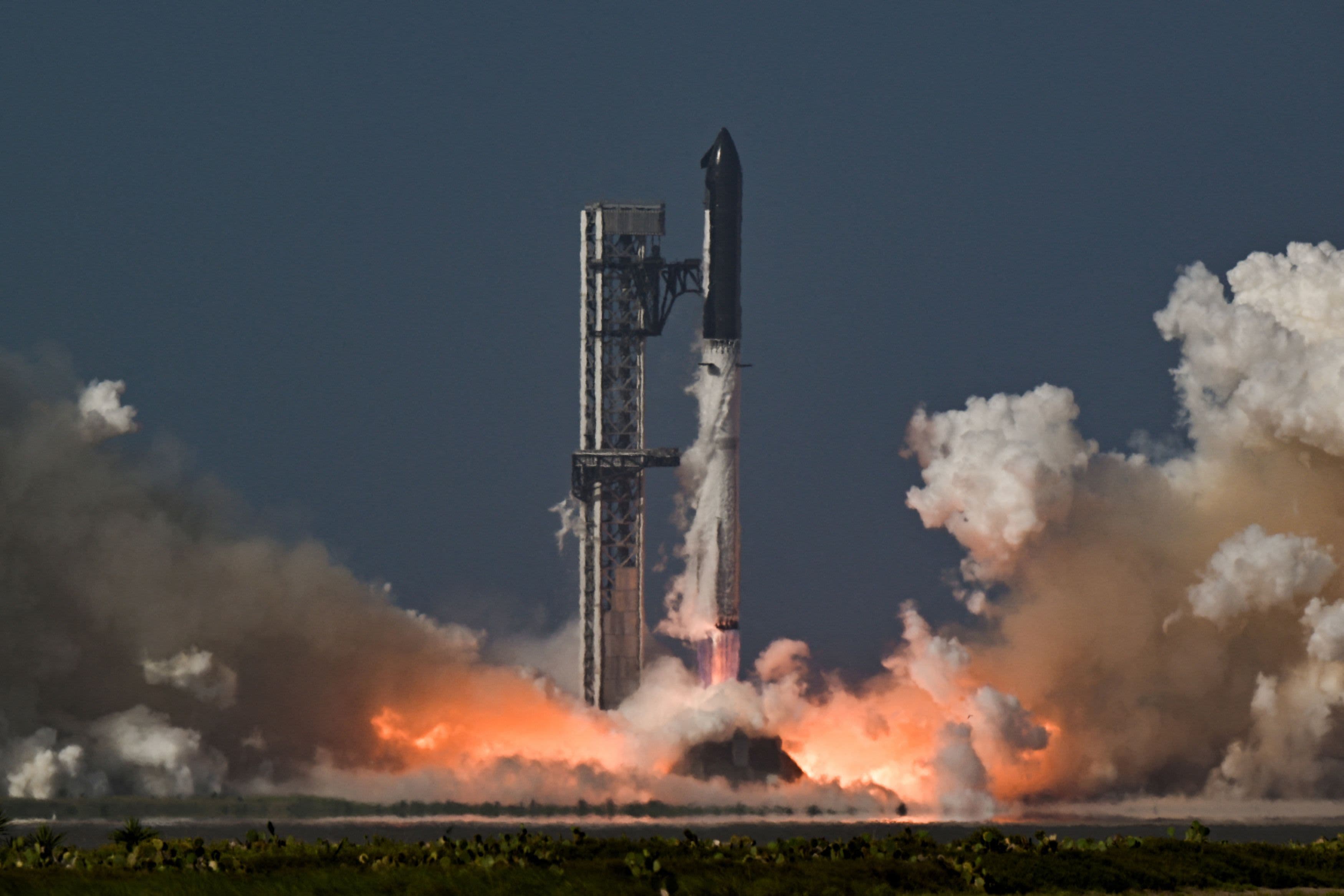
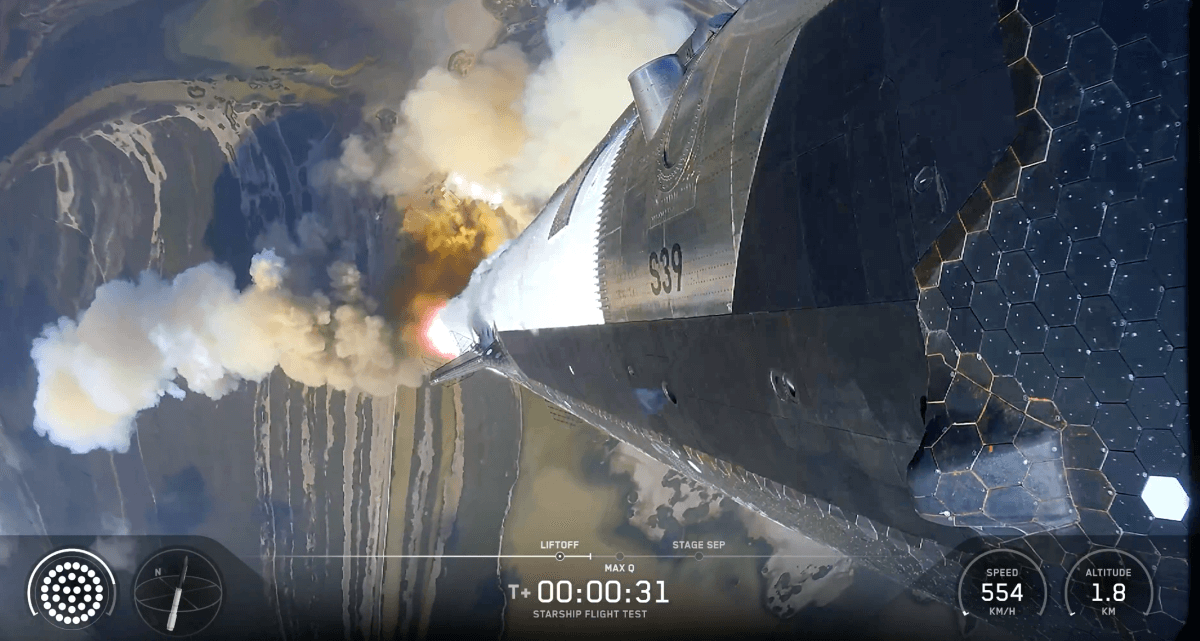
SpaceX achieved a significant milestone with the first launch of its upgraded Starship V3 rocket, demonstrating continued progress in the company's ambitious space exploration agenda. According to TechCrunch, the launch was largely successful, though the mission encountered a setback during the booster recovery phase, which remains a critical component of SpaceX's reusability strategy.
The loss of the booster during return highlights the ongoing engineering challenges in developing fully reusable heavy-lift launch systems. For Nashville-area aerospace suppliers and logistics companies supporting the space industry, such developments underscore both the opportunities and complexities in supporting next-generation space technology programs.
SpaceX's Starship program serves as a cornerstone for the company's long-term goals, including lunar missions and eventual Mars exploration. The iterative testing approach—learning from each launch attempt—has become standard in commercial spaceflight, enabling rapid development cycles that contrast with traditional government-led space programs.
As commercial space ventures expand, companies in Tennessee's growing advanced manufacturing and logistics sectors may find increased opportunities to support space-grade component production and supply chain services. The success of programs like Starship underscores the broader significance of space commerce to the nation's technology economy.