Photo via Spokesman
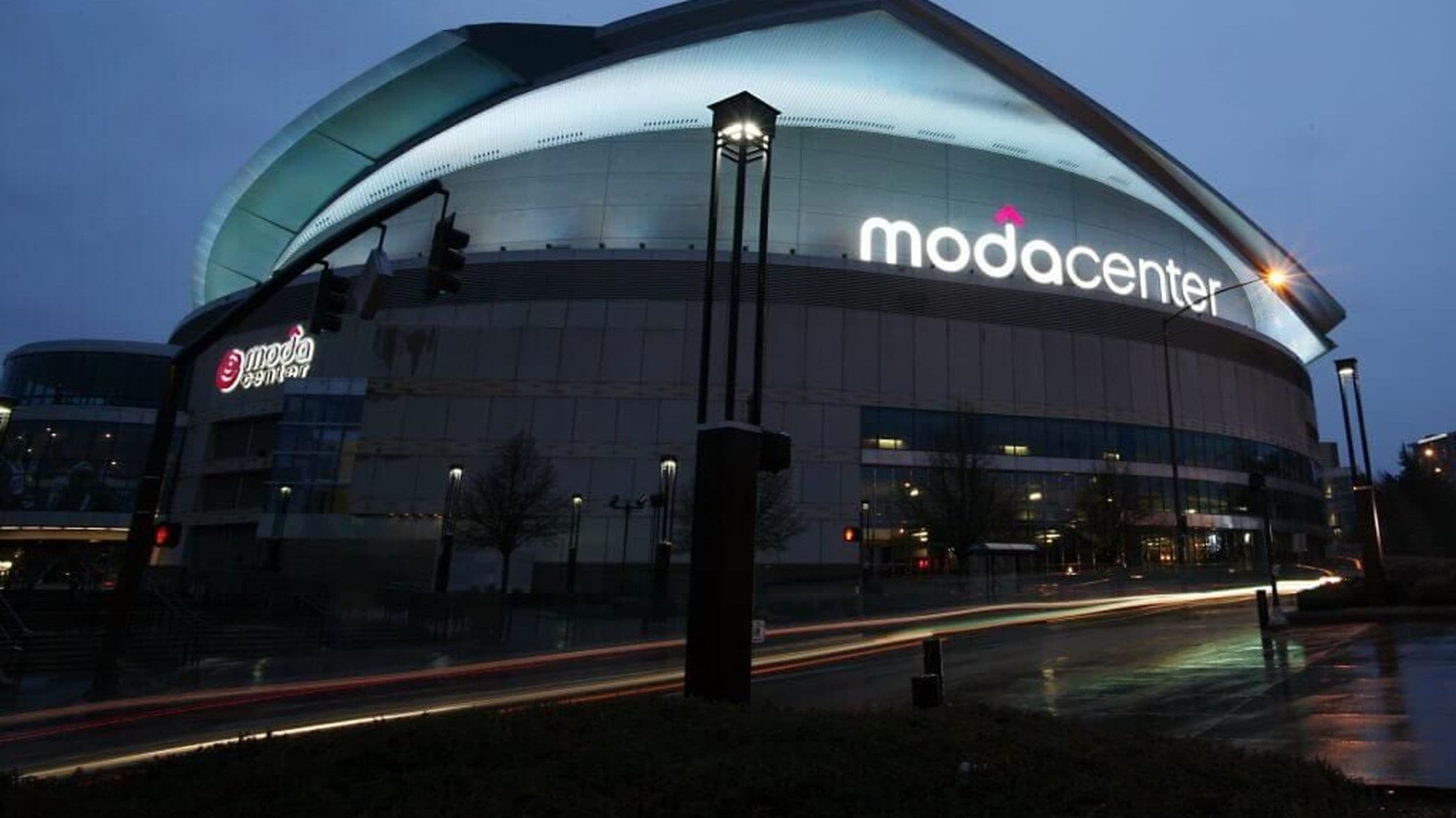
Since Tom Dundon's acquisition of the Portland Trail Blazers this spring, the franchise has made aggressive financial decisions that signal a shift in how the new ownership intends to operate the organization. According to the Spokesman, these moves include significant staff reductions and a cautious approach to long-term coaching commitments, with newly hired head coach Micah Nori's contract guaranteed only for the first season. For Nashville business leaders following sports franchise operations—particularly as the region develops its own sports business ecosystem—these management choices underscore the tension between profitability and organizational stability.
The cost-cutting measures have already generated considerable controversy within Portland's business community and fan base, raising questions about whether such aggressive restructuring strategies can coexist with competitive success in professional sports. The situation mirrors broader national trends where new ownership groups prioritize financial optimization, a pattern that Nashville investors and entrepreneurs should monitor as sports-related investments become increasingly visible in the local market. The potential for relocation discussions, per the source article, reflects how franchise viability is increasingly tied to financial performance metrics rather than historical legacy.
Nashville business observers should consider how the Trail Blazers' operational decisions might inform local sports business development and franchise management best practices. The balance between cutting costs and maintaining institutional credibility represents a critical leadership challenge in professional sports—one that could have implications for Nashville's ambitions in the sports and entertainment sectors as the region continues attracting corporate investment and sports-related ventures.