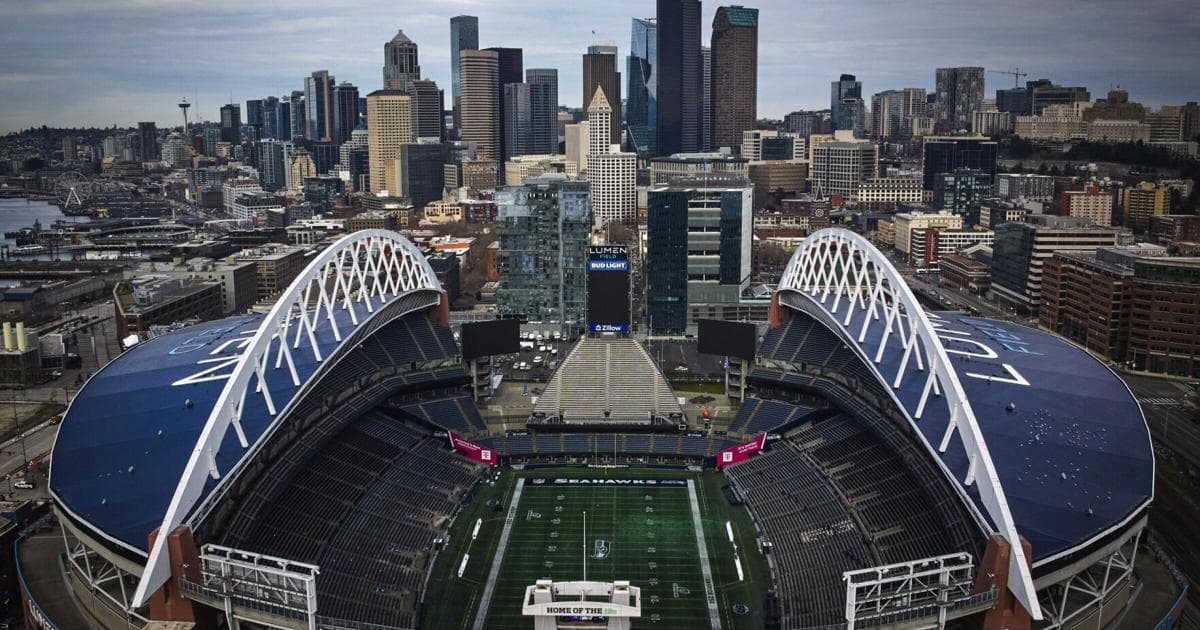
Photo via Yakima Herald-republic
When professional sports teams transition to new ownership, facility assessment becomes a critical early task. According to the Yakima Herald-Republic, incoming owners must evaluate aging venues for their financial performance and long-term viability. This dynamic mirrors conversations happening in Nashville as the city continues to invest in sports-related infrastructure and considers its own venue modernization priorities.
Older stadiums often present financial challenges that extend beyond their physical condition. A 24-year-old facility may generate below-market revenue streams compared to newer competitors, limiting its appeal to premium tenants and corporate partnerships. For Nashville business leaders watching regional sports investment trends, understanding these revenue dynamics offers insight into why cities increasingly prioritize modern facilities as economic development tools.
Lease obligations further complicate ownership transitions. When years remain on existing agreements, new proprietors inherit contractual constraints that may limit renovation flexibility or relocation options. This reality underscores why Nashville's approach to public-private partnerships in sports venue development has emphasized clear long-term agreements that balance stakeholder interests.
For Nashville-area developers and real estate professionals, these national trends highlight an important principle: sports infrastructure requires strategic, forward-looking investment to maintain competitive positioning. As the region continues attracting sports-related business opportunities, the ability to offer modern, revenue-generating venues becomes an increasingly valuable economic asset in a competitive marketplace.