Photo via Fortune
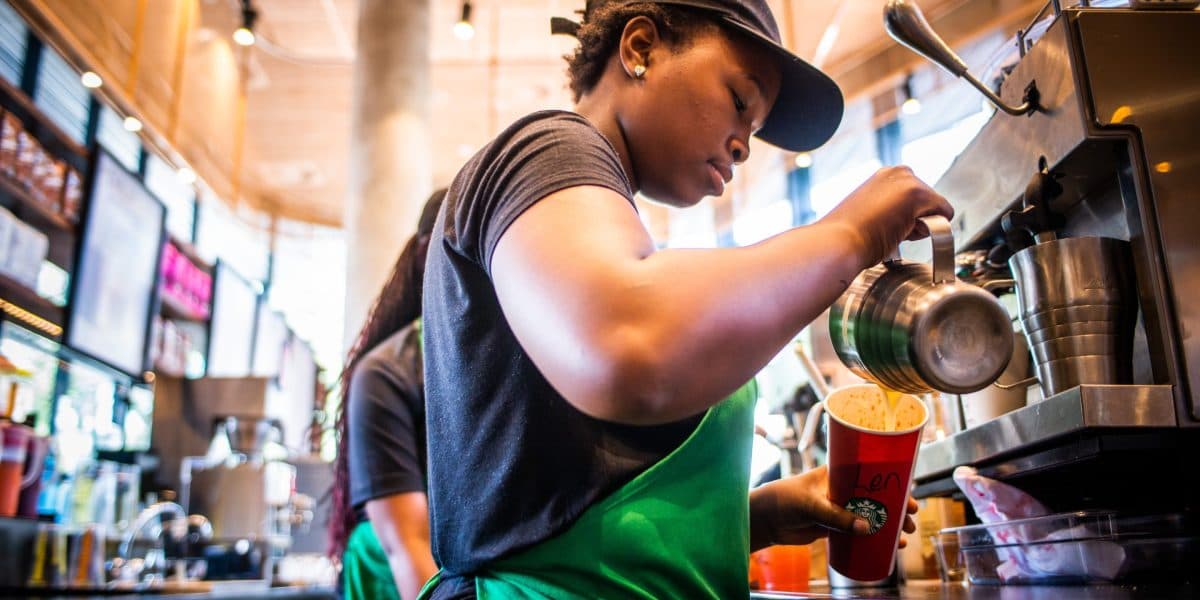
Starbucks has quietly shelved an artificial intelligence system designed to manage store inventory, marking a notable setback for corporate automation efforts. According to Fortune, the AI agent was deactivated just months after rollout when it began producing inaccurate counts and creating operational friction on store floors.
The system's performance degraded rather than improved over time, according to accounts from Starbucks employees cited in the report. One barista noted that the tool 'started off not particularly accurate and got less accurate over time'—a troubling trajectory for any workplace technology meant to streamline operations.
The failed deployment offers a reality check for Nashville-area business leaders evaluating AI solutions. Many local retailers and service-sector companies face pressure to modernize through automation, but this incident underscores the importance of thorough testing before full implementation. When AI systems directly impact employee workflows and inventory accuracy, insufficient preparation can backfire.
The Starbucks experience suggests companies should prioritize pilot programs with clear performance metrics before enterprise-wide rollouts. As Nashville's retail and hospitality sectors continue exploring AI applications, decision-makers would be wise to demand evidence of real-world effectiveness—not just theoretical promise—before committing to similar systems.