Photo via Fortune
According to Fortune, maritime traffic through the Strait of Hormuz—one of the world's most critical shipping chokepoints—is experiencing increased tensions as vessels adopt evasive tactics to avoid Iranian detection. Ships are increasingly disabling their Automatic Identification Systems (AIS) to traverse the waterway without being tracked, a sign of the geopolitical pressures affecting global commerce.
The Strait of Hormuz serves as a vital passage for approximately one-third of the world's seaborne traded oil. Disruptions in this region have far-reaching consequences for energy markets and prices at the pump, directly impacting Nashville-area businesses that depend on stable fuel costs and reliable supply chains. Companies in logistics, manufacturing, and retail sectors face potential cost pressures if transit delays or insurance premiums increase.
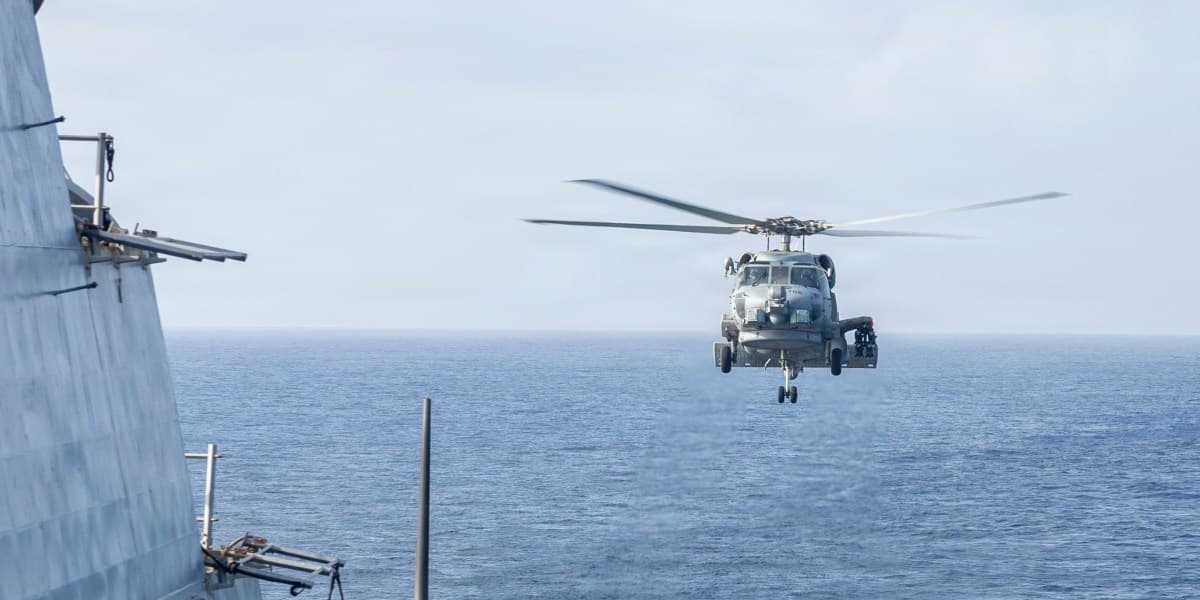
The use of helicopters to deter Iran's fast-attack boats represents an escalation in maritime security measures. While these interventions are intended to keep shipping lanes open, the underlying instability raises concerns for companies with international operations. Nashville-based exporters and importers should monitor how these regional tensions affect their delivery timelines and operational budgets.
Business leaders in Middle Tennessee should remain alert to potential ripple effects on energy costs and shipping expenses. Any prolonged disruption to Hormuz traffic could influence pricing across multiple sectors, from fuel-dependent industries to goods relying on overseas transport. Diversifying supply chains and hedging energy exposure may become increasingly important strategies for regional companies in coming months.