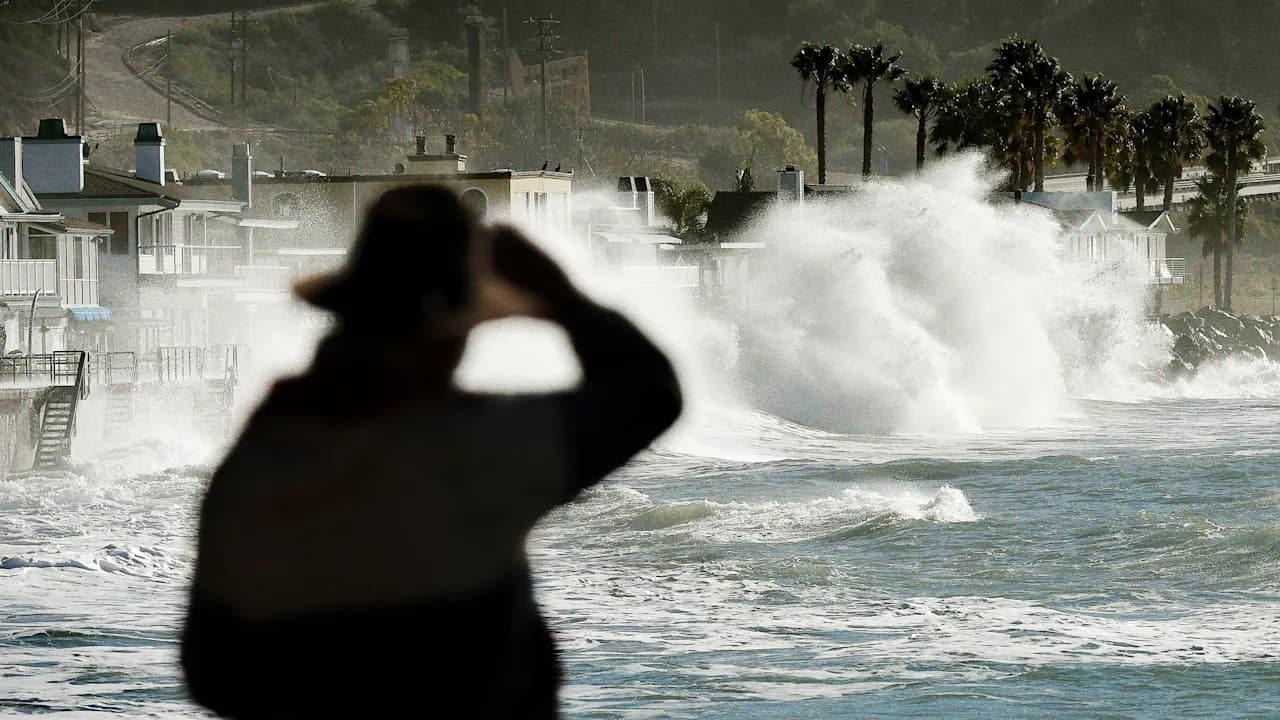
Photo via Fast Company
The National Oceanic and Atmospheric Administration released forecasts this week indicating a high probability of El Niño conditions forming between May and July, with an 82% chance of emergence during that window. According to NOAA's Climate Prediction Center, there's a 96% likelihood the pattern will persist through February 2027, potentially creating an extended period of climate volatility that could affect regional business operations and supply chains.
While meteorologists remain uncertain about El Niño's peak intensity during the upcoming hurricane season, NOAA suggests conditions could intensify significantly through summer months. Historical data shows the strongest El Niño episodes are marked by substantial ocean-atmosphere interactions during summer, which could amplify the system's strength. Additionally, 2026 is already tracking as one of the warmest years on record, with April ranking as the fourth-warmest since 1850—a trend that could compound climate impacts.
El Niño occurs when Pacific Ocean surface temperatures rise above normal levels, weakening westerly winds and disrupting global weather patterns. According to NOAA, the phenomenon typically lasts nine to 12 months and occurs roughly every two to seven years. The mechanism creates both immediate and cascading effects worldwide, from intensified storms to drought conditions, with the Southeast and Gulf Coast regions historically facing increased flooding and severe weather exposure.
Nashville-area businesses should monitor developments closely, particularly those in agriculture, logistics, energy, and retail sectors vulnerable to supply chain disruptions or weather-related operational challenges. The 2015 Super El Niño demonstrated the pattern's capacity to trigger widespread drought and economic impacts across multiple industries. Companies dependent on consistent weather patterns or regional agricultural production may want to review contingency planning now, ahead of what could be a volatile 18-month period.