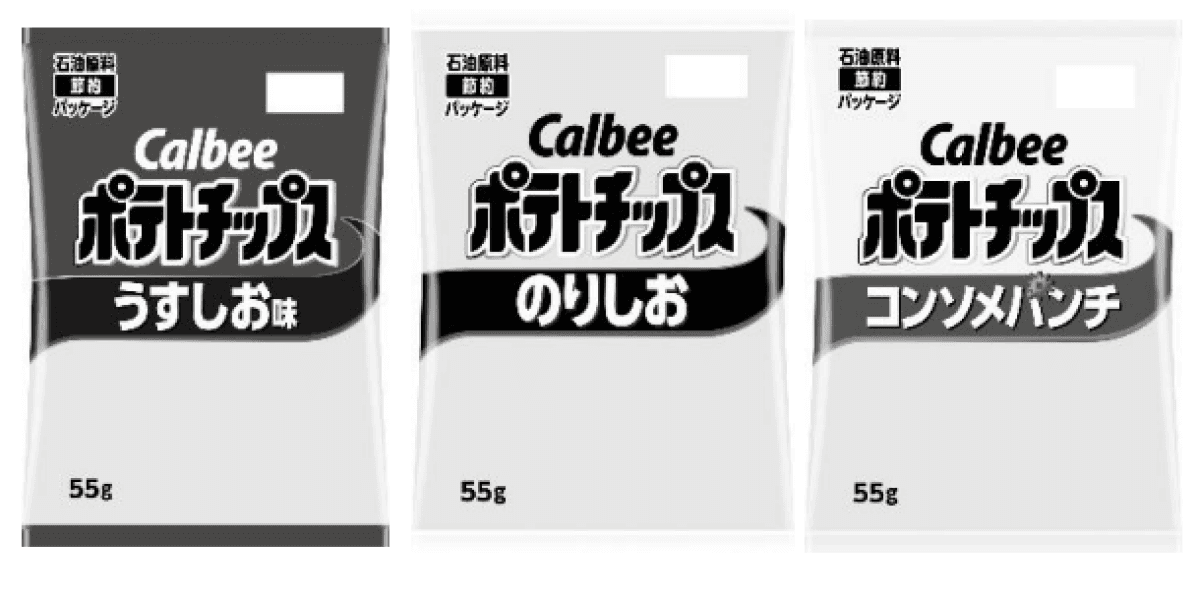
Photo via Fortune
According to Fortune, escalating tensions in the Iran region are creating unexpected consequences for manufacturers worldwide, including Japan's major snack producers. The disruption stems from a critical dependency: Japan sources approximately 70% of its naphtha imports from the Middle East, a petroleum-based material essential for producing printing inks used on consumer packaging.
Naphtha serves as a foundational chemical feedstock in the printing ink industry, making it vital for companies that need to produce colored packaging for retail products. When supply lines from the Middle East face uncertainty, manufacturers scramble to find alternative sources or adjust their operations—sometimes drastically. Some Japanese snack companies have already begun shifting to black-and-white packaging designs as a temporary response to potential supply constraints.
For Nashville-area businesses in retail, logistics, and consumer goods, this situation underscores a familiar vulnerability: heavy reliance on foreign supply chains for critical materials. Companies sourcing printed packaging or dealing in imported goods should monitor how geopolitical events in petroleum-producing regions could affect their own procurement timelines and costs.
The episode highlights the interconnected nature of modern commerce. A regional conflict thousands of miles away can quickly translate into packaging delays, design limitations, and increased costs for businesses focused on consumer products. Companies are increasingly recognizing the need for supply chain redundancy and closer relationships with multiple suppliers to weather such disruptions.