Photo via Fortune
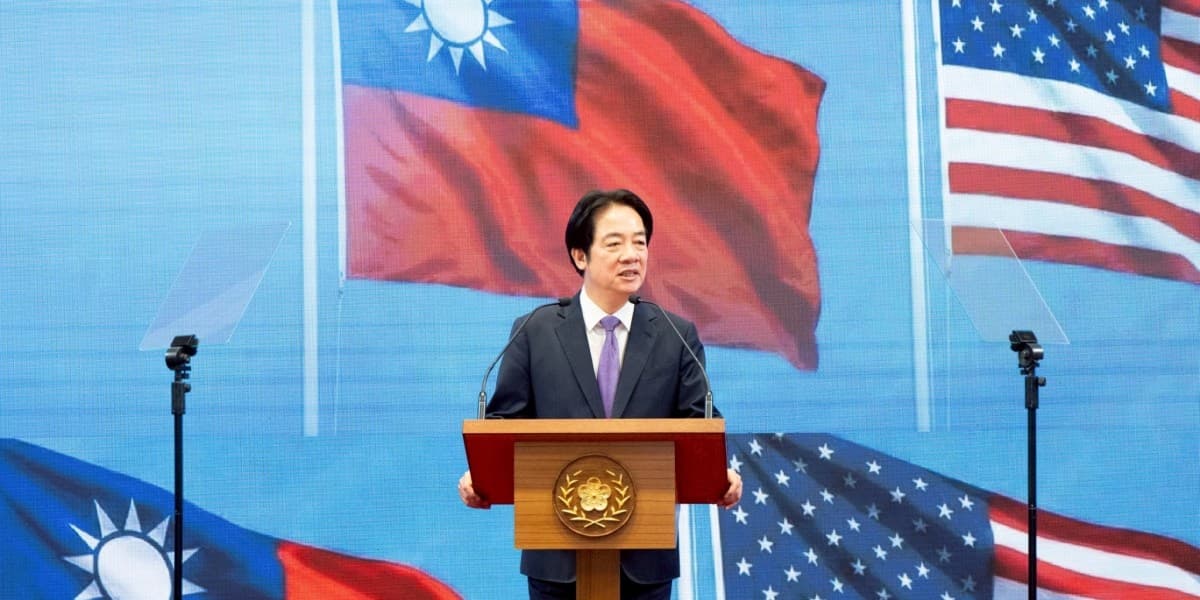
Taiwan's leadership is pushing back against characterizations of U.S. military aid as merely a negotiating tactic in broader China relations. According to Fortune, the Trump administration approved a landmark $11 billion arms package in December that includes advanced missiles, drone systems, artillery equipment, and military software. Taiwan's president has publicly reframed these sales as essential security measures rather than diplomatic leverage, emphasizing their role in maintaining regional stability.
The distinction matters for defense and industrial sectors tracking geopolitical risk. When U.S. officials suggest weapons sales serve as bargaining chips in international negotiations, it creates uncertainty for contractors and supply chain partners who depend on predictable defense spending. Nashville-area manufacturers supporting the aerospace and defense industries should monitor how this rhetoric evolves, as it may signal shifting procurement priorities or budget allocations in coming quarters.
The $11 billion package represents a significant commitment to Taiwan's military modernization at a time of heightened tensions in the Taiwan Strait. Defense analysts view such sales as stabilizing measures that could deter military aggression and reduce regional conflict risk. Taiwan's public assertion of their defensive necessity suggests Taipei wants to ensure the aid isn't contingent on shifting U.S.-China diplomatic winds.
For Nashville business leaders in manufacturing, logistics, and technology sectors, geopolitical developments in Asia warrant attention. Defense supply chains often involve multiple tiers of regional suppliers, and policy shifts affecting Taiwan can create ripple effects across domestic production and export dynamics. Companies with indirect exposure to defense spending or Asian supply chains should continue assessing how U.S.-China-Taiwan relations shape their operational outlook.