Photo via FreightWaves
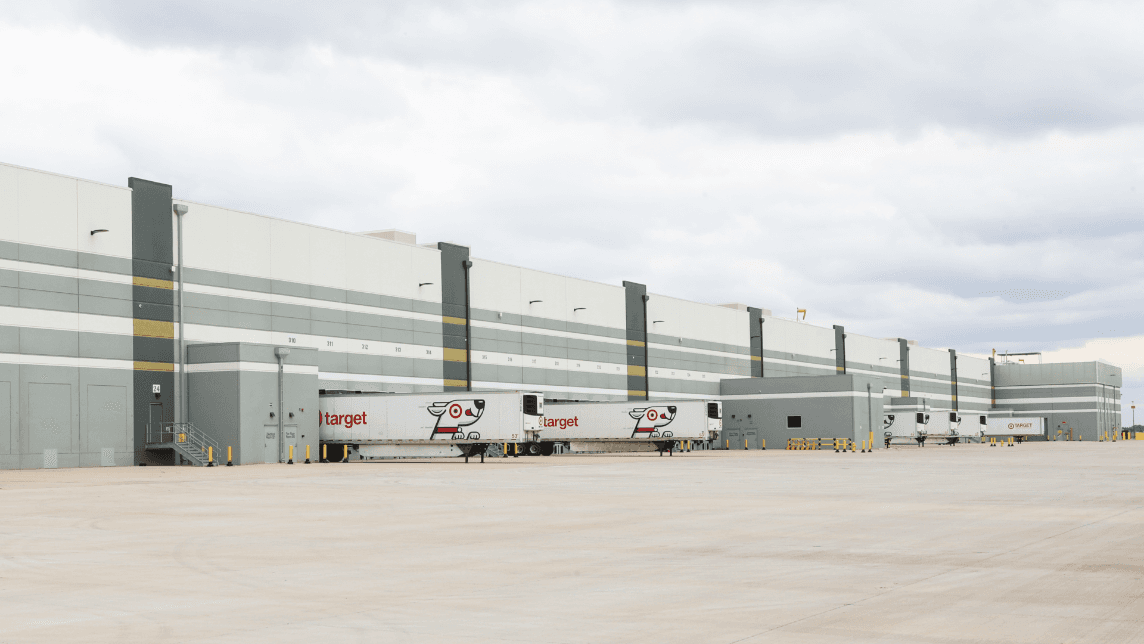
Target is making a significant capital investment in its food logistics infrastructure with the opening of a $367 million distribution facility in Colorado. According to FreightWaves, the new center represents a strategic effort by the Minneapolis-based retailer to enhance its ability to stock fresh and packaged foods across its store network, reflecting evolving consumer demand for expanded grocery selections at major retailers.
The move reflects broader industry trends as large retailers increasingly compete on food assortment and supply chain efficiency. By establishing regional distribution hubs, major chains can reduce delivery times, minimize product spoilage, and respond more quickly to local market preferences—advantages that directly impact profitability and customer satisfaction.
For Nashville-area business observers, Target's expansion strategy offers insights into how national retail operators are restructuring logistics networks. The company's willingness to deploy substantial capital in distribution infrastructure demonstrates confidence in the continuing importance of physical retail and the competitive necessity of seamless supply chain operations.
Target's investment also highlights the growing sophistication of food logistics as a competitive differentiator in retail. As e-commerce and omnichannel shopping continue reshaping the sector, retailers investing in modernized distribution capabilities position themselves to better serve customers and maintain market share against both traditional competitors and newer entrants.