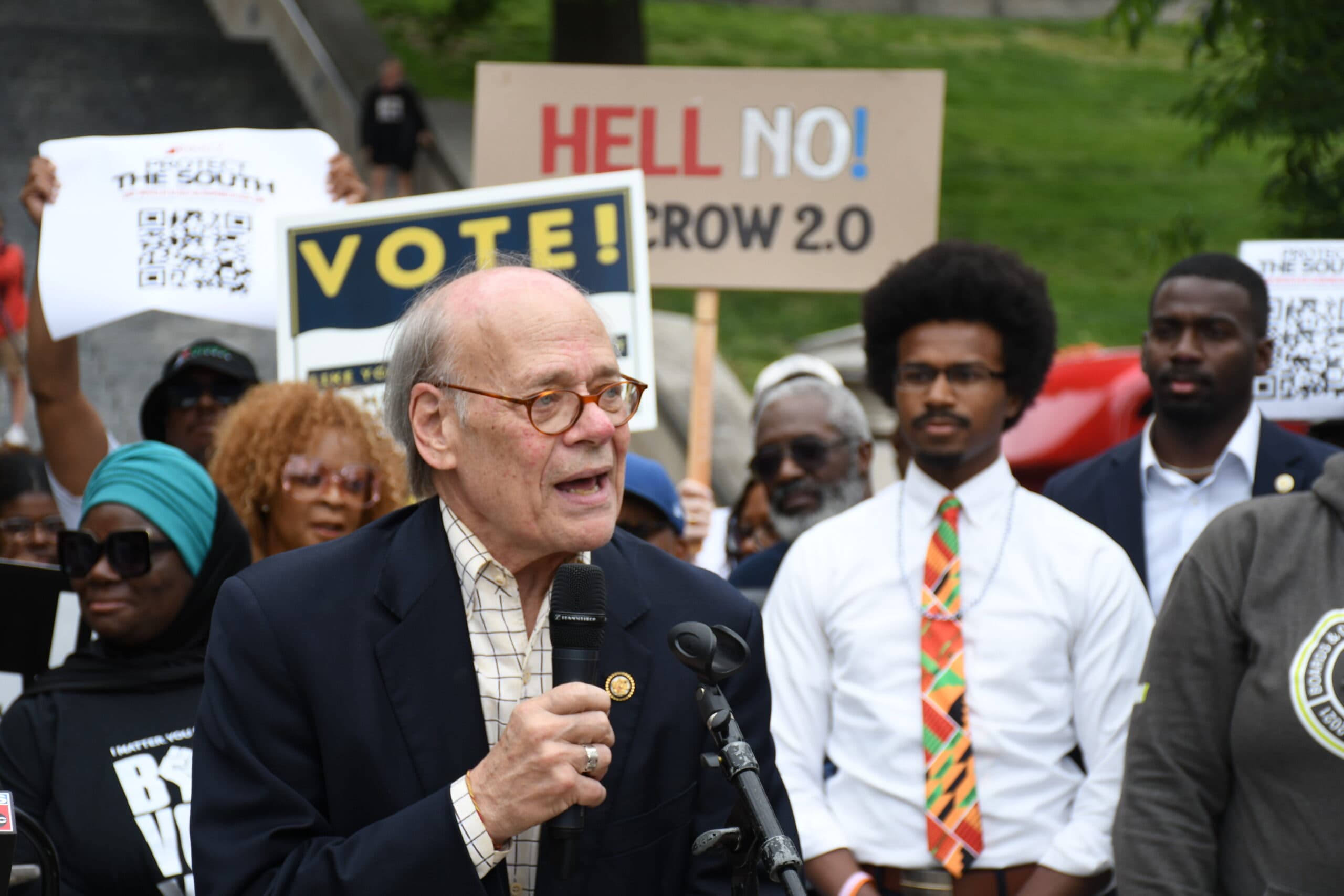
Photo via WPLN Nashville NPR
Tennessee's congressional map overhaul is forcing significant realignment among elected officials. According to WPLN Nashville NPR, U.S. Rep. Steve Cohen announced he will not seek re-election after Republicans approved a mid-decade redistricting plan tied to President Donald Trump's political priorities. The veteran legislator, who has represented Tennessee's 9th District for nearly two decades, found his political position fundamentally altered by the redrawn district boundaries.
The new map presents unprecedented challenges for regional representation. The redrawn 9th Congressional District now spans approximately 300 miles, stretching from Memphis toward other parts of the state, and splits Cohen's home city into three separate districts. This geographic expansion fundamentally changes the political dynamics of the seat and forces candidates to navigate vastly different constituent bases than previous election cycles.
Cohen's withdrawal opens the field for new candidates, including State Rep. Justin J. Pearson, who had already emerged as a primary challenger before the redistricting decision. The influx of new candidates reflects broader uncertainty about how Tennessee's political landscape will evolve under the redrawn districts. For Nashville-area business leaders monitoring state and federal policy, these congressional shifts may influence future advocacy efforts and regulatory priorities at the federal level.
The redistricting decision underscores how mid-decade map changes can reshape political careers and regional influence in Congress. As the race develops, stakeholders across Tennessee will be watching closely to understand how the new congressional configuration affects representation of business interests and economic development priorities in the coming years.