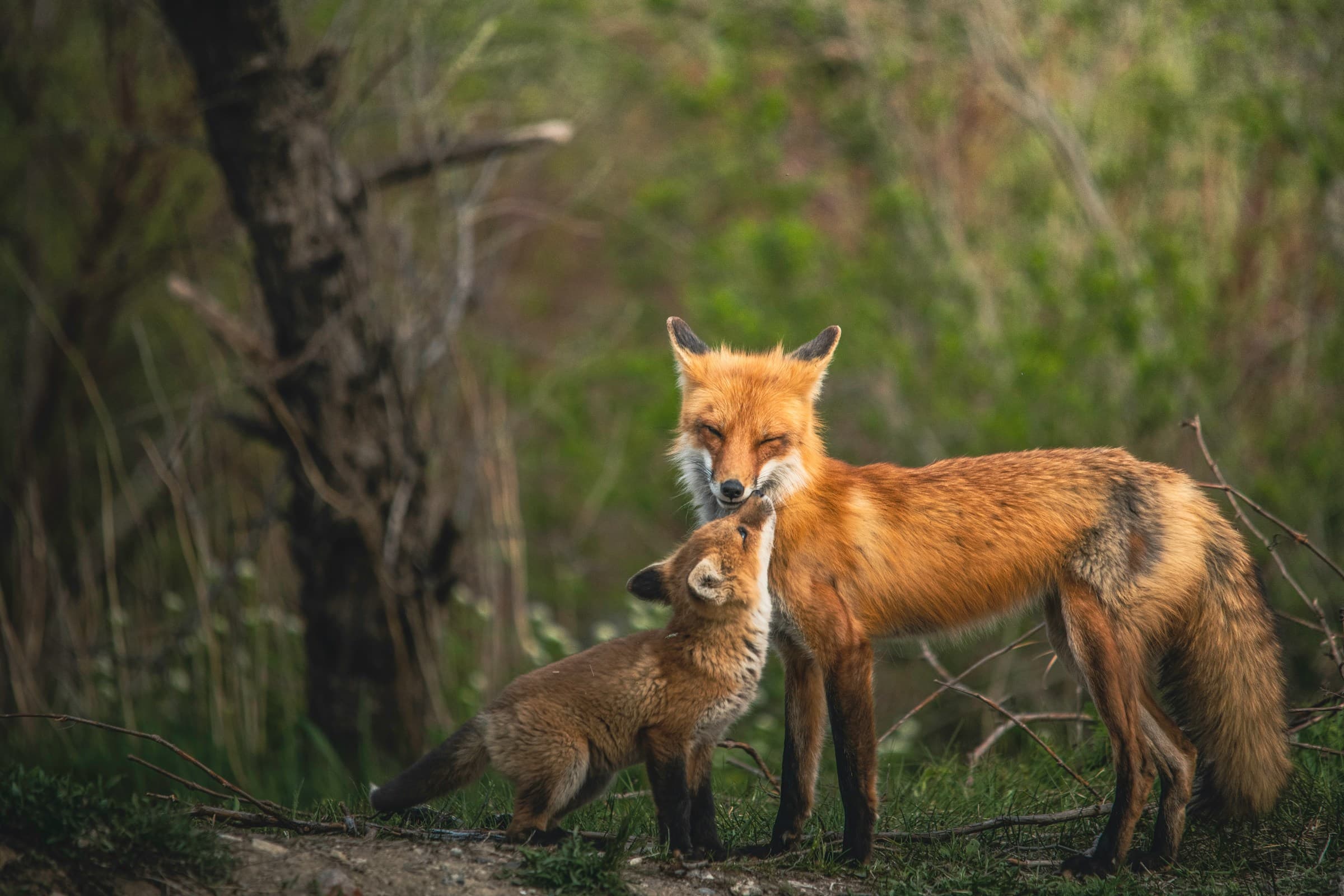
Photo via WPLN Nashville NPR
Biological diversity in Tennessee extends beyond simple species classification. According to WPLN Nashville NPR, animal populations throughout the state—including foxes, eastern bluebirds, and black bears—demonstrate behavioral and social patterns that challenge conventional assumptions about wildlife. This natural complexity has implications for how Nashville-area conservationists and environmental professionals approach wildlife management and habitat preservation in our region.
Understanding the full spectrum of animal behavior helps inform more effective conservation strategies for Tennessee's diverse ecosystems. As local wildlife agencies and environmental organizations work to protect natural habitats around Nashville and throughout Middle Tennessee, recognizing the behavioral complexity of native species becomes increasingly important. This knowledge base supports better decision-making in land management, wildlife corridors, and habitat restoration projects that affect regional biodiversity.
For Nashville businesses and organizations involved in environmental consulting, wildlife tourism, and land stewardship, these insights reinforce the importance of comprehensive ecological research. Companies working on sustainability initiatives, real estate development with environmental considerations, or conservation partnerships can benefit from understanding Tennessee's wildlife in its full complexity. This evidence-based approach to nature strengthens both environmental outcomes and community trust in how Nashville manages its natural resources.