Photo via TechCrunch
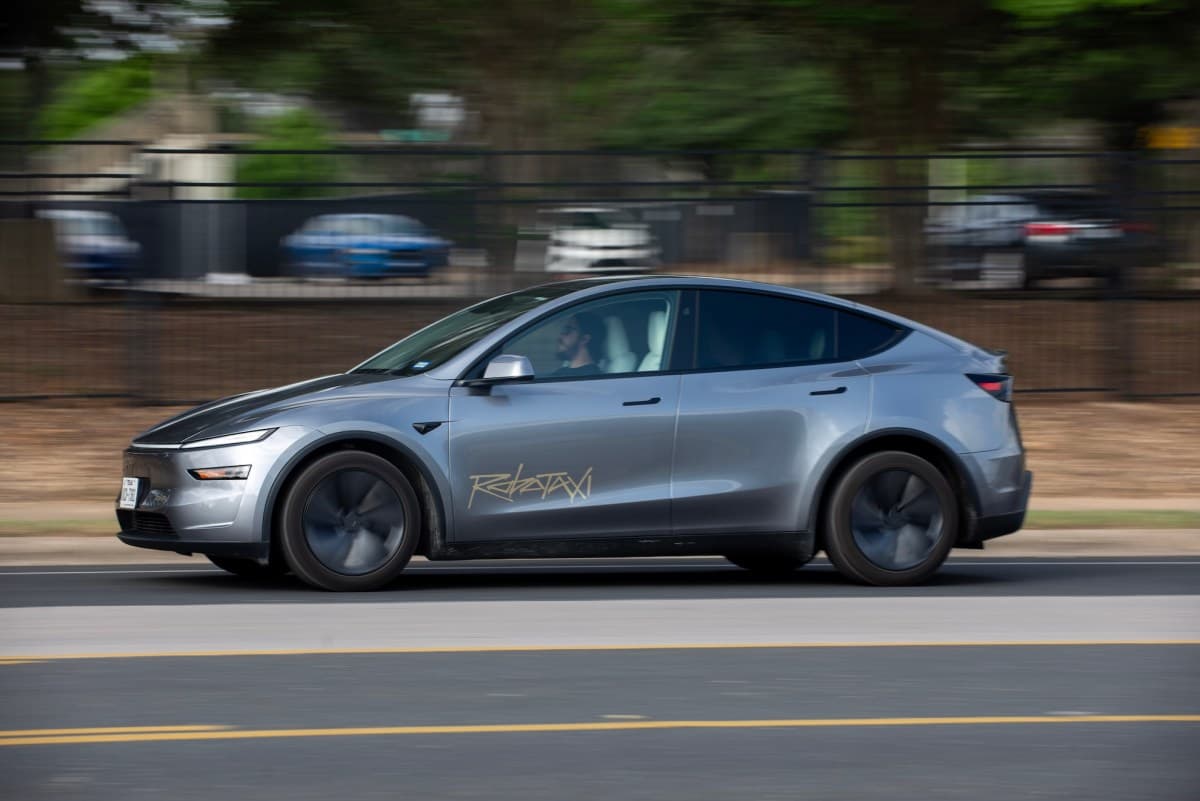
Tesla's robotaxi program faces increased scrutiny following the public disclosure of two crashes involving teleoperators, according to TechCrunch. The incidents underscore the technical and operational hurdles the electric vehicle maker continues to navigate as it attempts to expand its autonomous ride-hailing fleet. These findings emerge as the autonomous vehicle industry grapples with consumer confidence and regulatory oversight.
The crashes involving remote operators point to a critical vulnerability in Tesla's current approach: human intervention still plays a necessary role in real-world deployment. Teleoperators are tasked with taking control of vehicles when the autonomous system encounters situations beyond its programming, yet the incidents suggest this safety net isn't foolproof. The gap between fully autonomous promise and current operational reality remains substantial.
For Nashville's transportation and logistics sectors, Tesla's robotaxi challenges carry strategic implications. As autonomous vehicle technology matures, regional businesses in delivery, ride-sharing, and fleet management should monitor these developments closely. Safety records and regulatory acceptance will ultimately determine whether autonomous vehicles become viable alternatives to traditional commercial transportation.
The unredacted reports signal that scaling autonomous vehicle operations requires solving safety issues beyond software updates. Investors, fleet operators, and municipalities considering autonomous vehicle investments should weigh these real-world performance data alongside manufacturer projections. Tesla's obstacles may ultimately benefit the broader industry by highlighting necessary safeguards before widespread adoption.