Photo via FreightWaves
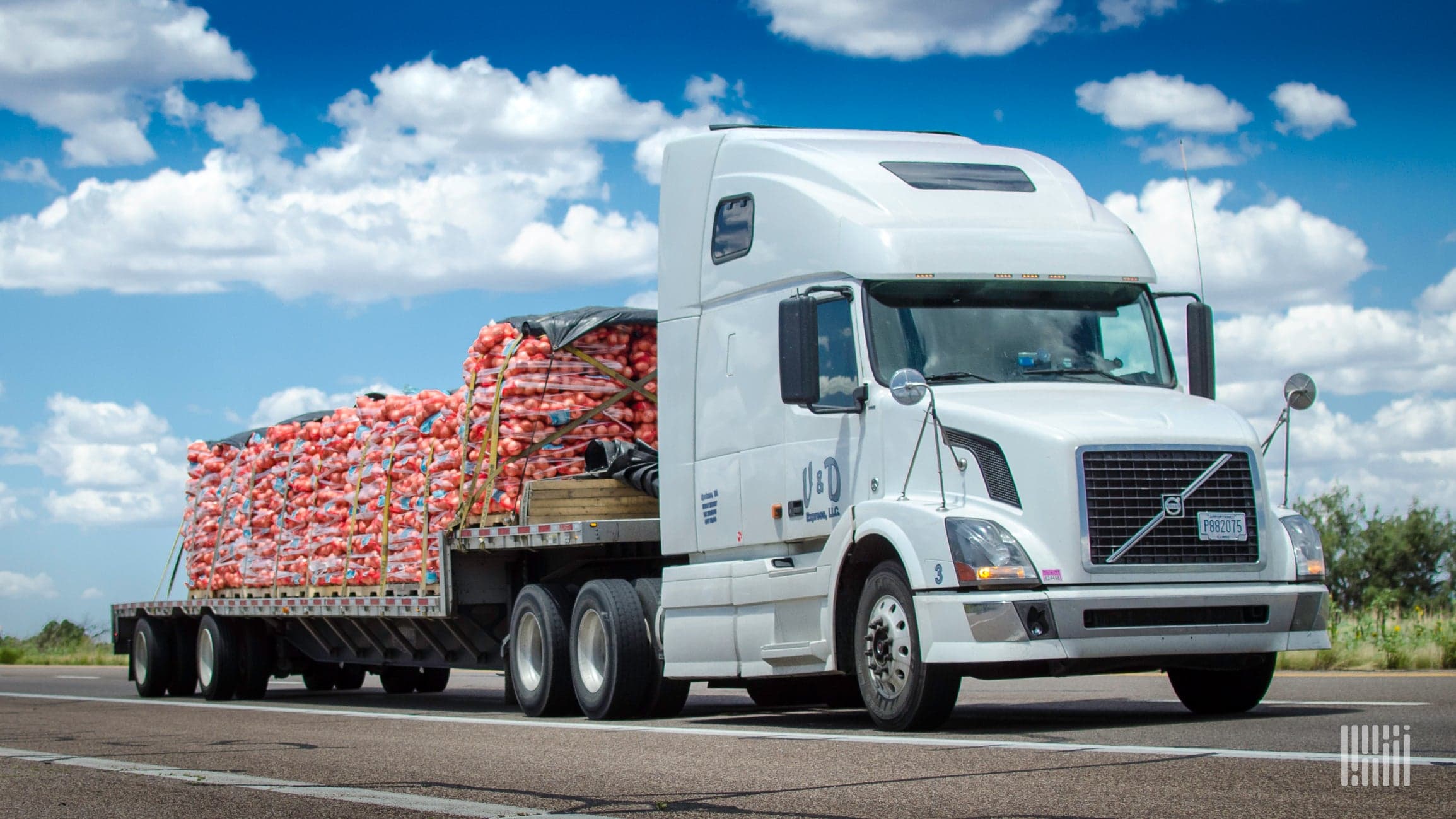
Texas has reversed a previous restriction on commercial driver's licenses for temporary farm workers, resuming the issuance of non-domiciled CDL licenses to legally authorized foreign workers, according to FreightWaves. This policy shift addresses labor needs in agricultural and transportation sectors that have faced workforce constraints.
The decision to resume CDL licensing for non-domiciled workers reflects broader challenges facing agricultural and logistics operations that depend on seasonal labor. By expanding access to commercial driving credentials for eligible foreign workers, Texas aims to maintain operational continuity in industries critical to regional supply chains.
For Nashville-area businesses with supply chain operations extending into Texas or relying on agricultural imports, this policy change could affect freight availability and transportation costs. Companies in the region that source products from Texas farms or manage cross-state logistics may see adjustments in labor costs and service capacity.
The move underscores ongoing tensions between labor demand and regulatory restrictions in transportation and agriculture. As regions continue grappling with workforce shortages, similar licensing discussions may emerge in other states, potentially reshaping how companies across the Southeast approach labor planning and supply chain management.