Photo via FreightWaves
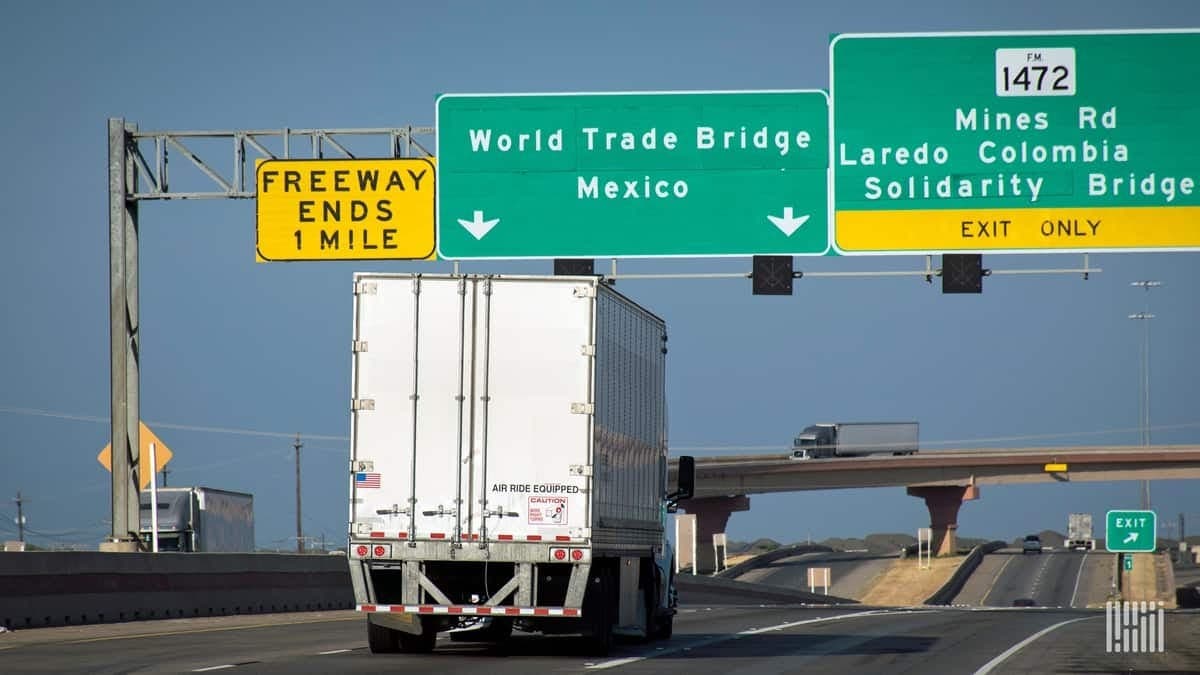
In a significant ruling for the transportation and retail industries, the Texas Supreme Court issued a decision on May 15, 2026, in the case of In re Home Depot U.S.A., Inc. that could reshape liability standards for shippers involved in trucking accidents. The court determined that Home Depot cannot be held responsible for damages arising from a fatal motorcycle crash involving a Werner truck, marking an important legal boundary in shipper accountability.
This decision carries weight for Nashville-area businesses that rely on regional and national logistics networks. Companies in retail, distribution, and e-commerce—sectors well-represented in Middle Tennessee's business community—frequently contract with third-party carriers for shipment services. The ruling clarifies that shippers may have limited exposure to liability claims when accidents occur during transport, provided certain conditions are met.
For logistics operators and freight companies in the Nashville region, the decision provides some clarity around legal responsibility and insurance requirements. Understanding these liability limits allows transportation companies to better assess risk, adjust coverage accordingly, and manage relationships with major retail and manufacturing clients who depend on reliable freight services.
Business leaders managing supply chains should consult with legal counsel to understand how this Texas precedent might apply to their operations and contracts. While the ruling is specific to Texas, courts in other jurisdictions often reference significant state Supreme Court decisions when addressing similar disputes, making this an important development for any Nashville company engaged in interstate shipping or transportation agreements.